


Search
Search
Oliver Fischer, MD, Simeon Lauer, MD
Show Description +
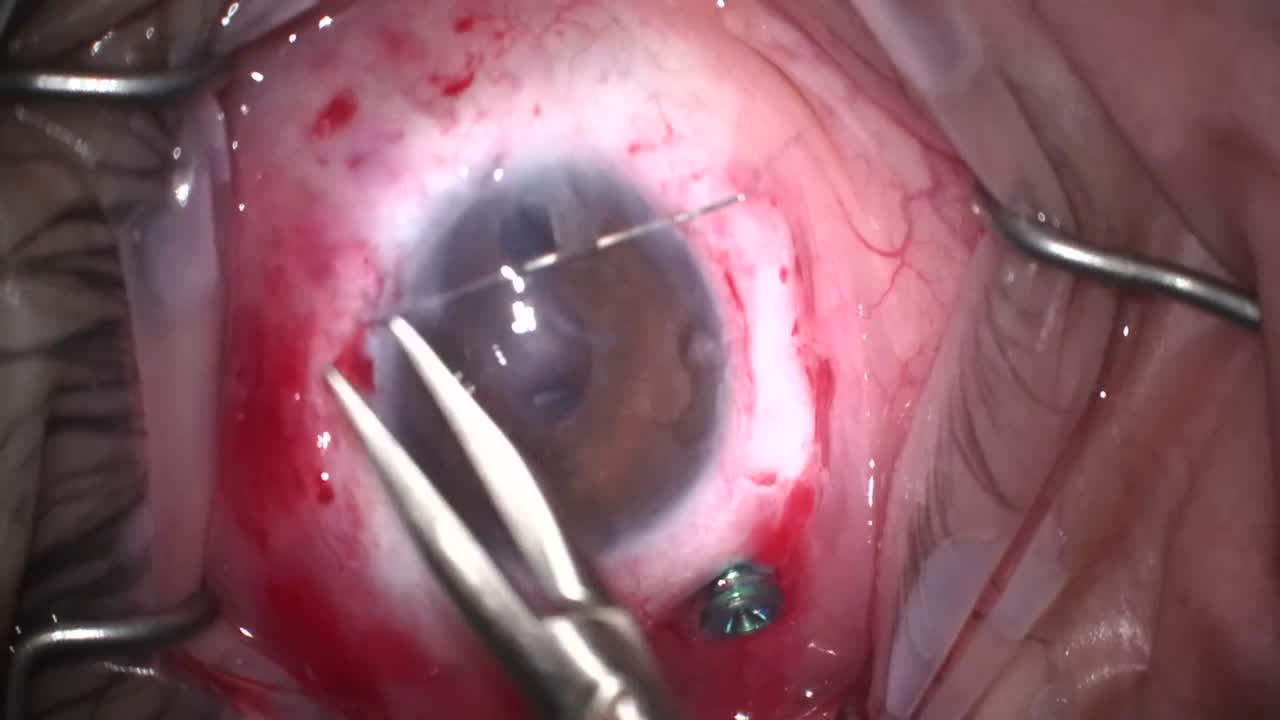
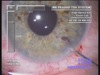
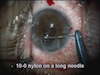
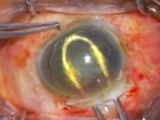
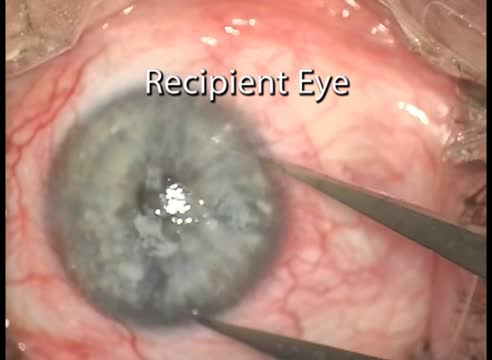
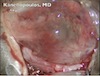
This video demonstrates nasolacrimal duct intubation in adults with a mini-monocanalicular stent.
Posted: 8/27/2019
Oliver Fischer, MD, Simeon Lauer, MD
This video demonstrates nasolacrimal duct intubation in adults with a mini-monocanalicular stent.
Posted: 8/27/2019
Sponsored Content
Sponsored Content
Sponsored Content
Sponsored Content




%20(1)_1789143321.jpg?auto=compress,format&w=504)
%20(1)_1789143150.jpg?auto=compress,format&w=504)
%20(1)_1789142785.jpg?auto=compress,format&w=504)
Please log in to leave a comment.
Comments
Just Now
simeon lauer
6 years ago
Thank you for your thoughts - there are concerns about creating false passages when performing a nasolacrimal probe - either parallel to the duct distally or to the canaliculus proximally. With experience, though, the tendency to create a false passage is diminished. Therefore, the less prior manipulation of the tissues the better, and the more experienced the surgeon's hand the better.
simeon lauer
6 years ago
Thank you also for the question about DCR vs. intubation in adults - there is considerable evidence that intubation is effective in adults with acquired dacryostenosis, though not as effective as DCR surgery. The average in most studies is about 80% success with intubation, versus 95+% with DCR surgery. Since the morbidity of intubation is so low we tell patients it is worth trying before pursuing DCR surgery. If I am not bothered enough to pursue an endoscopic procedure, or a general anesthesia, or a skin incision surgery - I might be willing to try the intubation. If it works I have saved myself a lot of trouble. The improvement is far more lasting that after office probe and irrigation, which tends to give improvement for 6-12 months. In our experience the improvement after intubation, with the tube left in place for one month, lasts more than ten years, if the intubation successfully reopened the tear drain.
Anonymous
7 years ago
the probing was quick and it seems to me that it could have easily created a new pathway into the nose. If so, will this small guage stent create a new pathway for tears to go which will not heal after the stent is removed
Antonio Palomino
7 years ago
Hi Dr Fischer and Dr Lauer: The intubation technique with Mono-canalicular stent is simple, even easier it would be with MasterK stent The busilis of the nasolacrimal obstruction of the adult is that improvement is not achieved with intubation with a stent, but with DacrioCystorinostomy. That is why the question is that surgery where you indicate it Thank you