


Search
Search
AAO: 2026

Show Description +
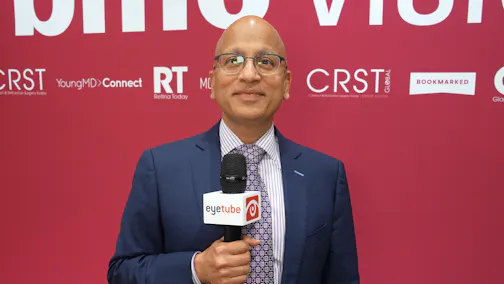
Dr. Fekrat provides an overview of the latest technology helping patients with low vision, from smartphone apps and voice command assistants to wearable glasses and even investigational implants.
Posted: 10/21/2026
Dr. Fekrat provides an overview of the latest technology helping patients with low vision, from smartphone apps and voice command assistants to wearable glasses and even investigational implants.
Posted: 10/21/2026
Read Transcript
My name is Sharon Fekrat and I'm a retina specialist at the Duke University School of Medicine. I'm the Robert Machemer Distinguished Professor of Ophthalmology and Vice Chair of Faculty Affairs. And it was really fun yesterday at Retina Subday. I was tasked on giving a talk called High Tech Solutions in Low Vision. And real quickly, I'll tell you what I talked about.
So back in the day, low vision would focus on helping patients with magnifiers, but nowadays there are a lot of high-tech solutions to help the patient function better and achieve certain activities of daily living and achieve certain tasks. And it's really important to match the task to the technology.
One of the main most important high tech solutions is in most people's pocket, and that's the smartphone. There are so many free apps nowadays that really help the patient achieve so many tasks, from magnification to identifying colors and currency, to helping them navigate their environment, and also many AI apps.
Beyond the apps, we also have digital voice assistants like Siri, Alexa, Google Home, and those are very, very helpful. And if patients get tired of all the digital interfaces, these digital voice assistants are very, very helpful in just providing the audio component for them.
And of course, there are many wearables that we're all very excited about, wearable glasses that enhance the vision that they do have and allow them to see in the display in the glasses. And then there are also wearables that use AI to interpret their environment and even connect them to live assistance.
So this is very, very exciting, all these digital tools where they can even navigate their environment. I think long-term, we have many super high-tech options coming down the pike to restore vision, and that includes the PRIMA Implant. It also includes Neuralink and many other exciting things, including optogenetics and kudos to the Nobel Prize winners. Thank you all so much.
Bryn Mawr Communications, LLC, and Eyetube.net are not affiliated with the official program of AAO: 2026.











Please log in to leave a comment.