


Search
Search
Juan Carlos Gutierrez Hernandez, MD
Show Description +
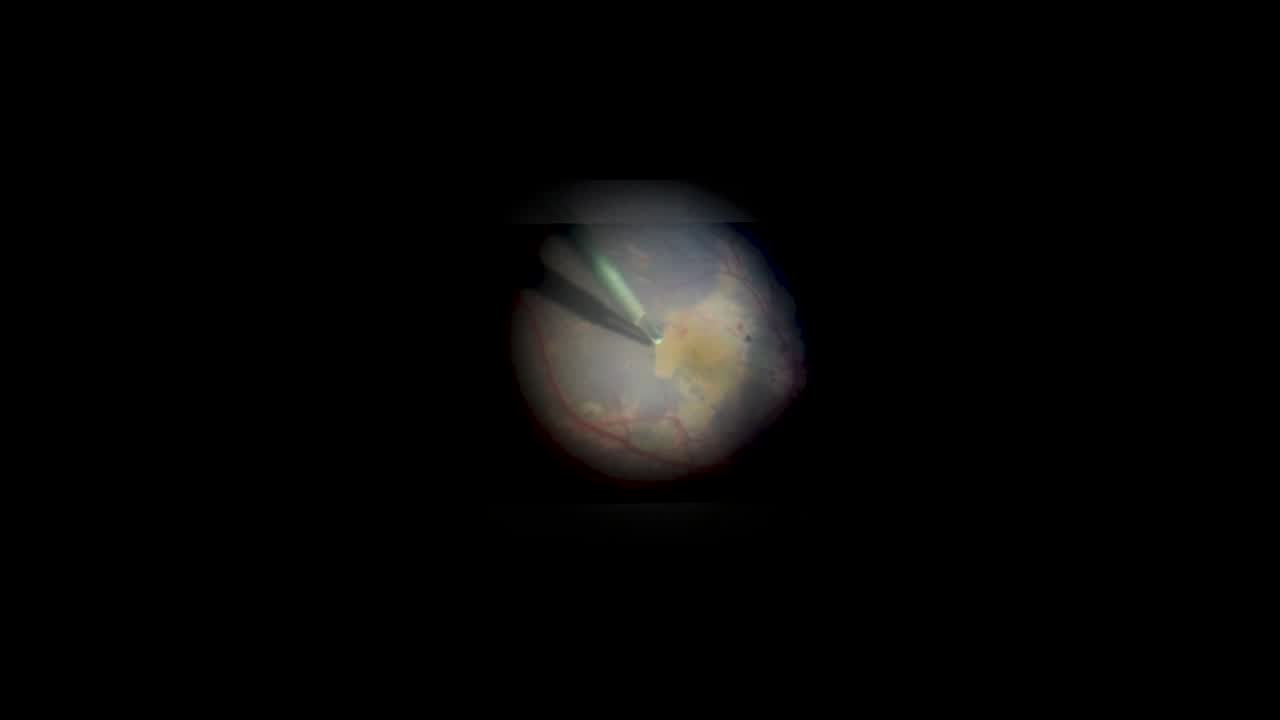
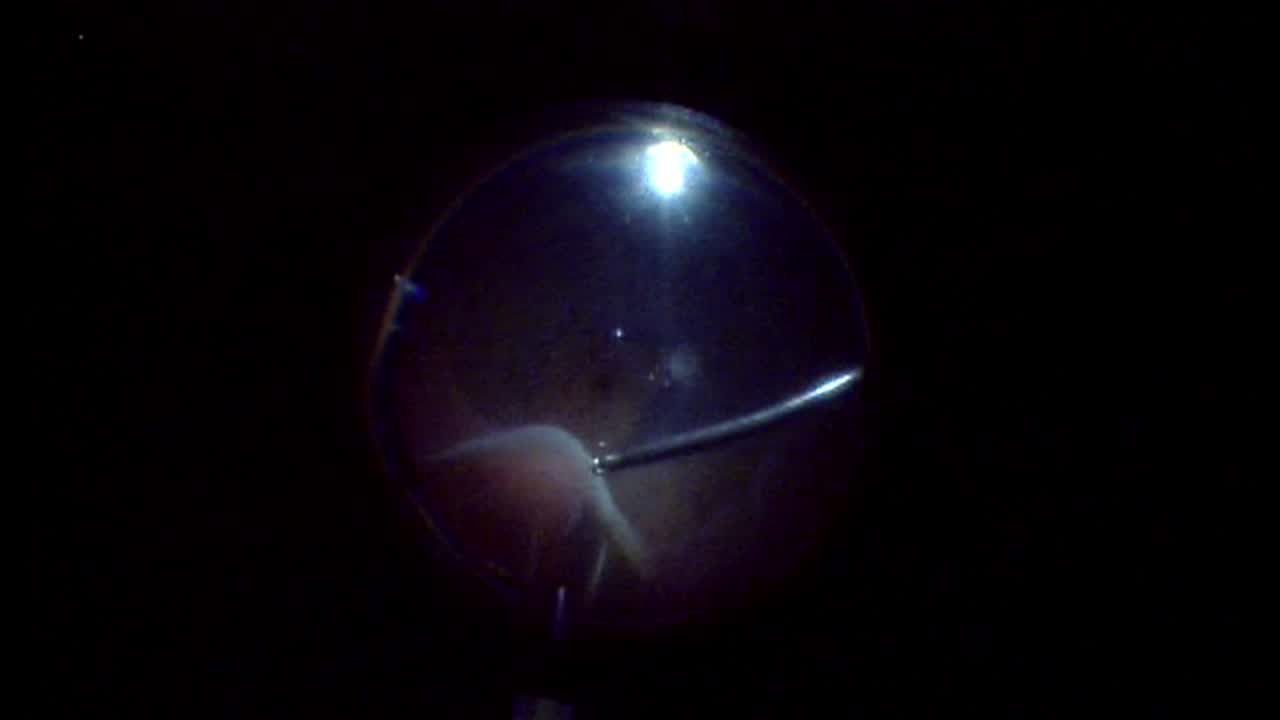
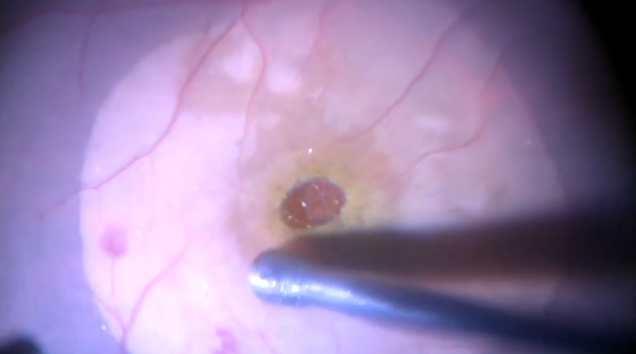
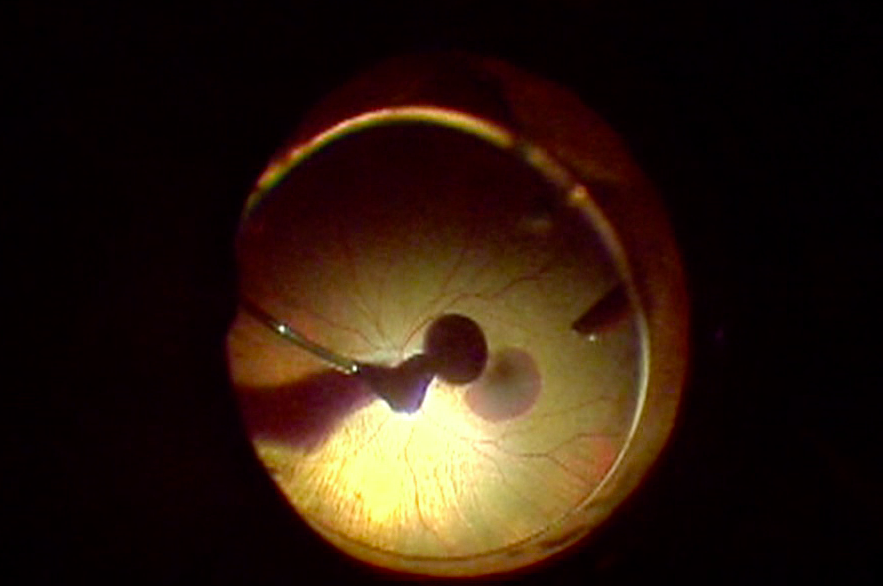
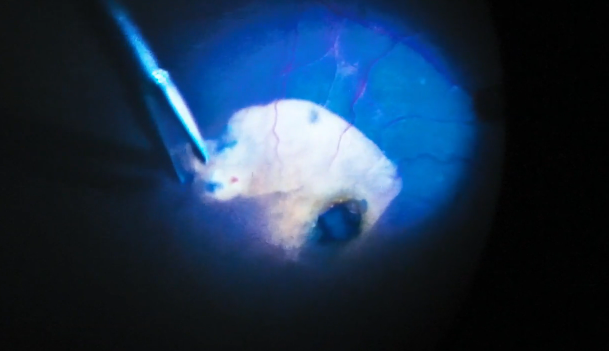
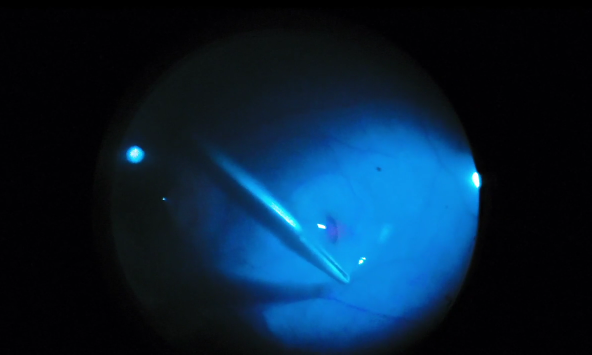
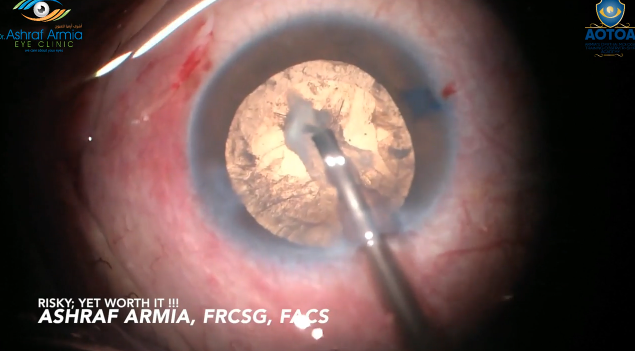
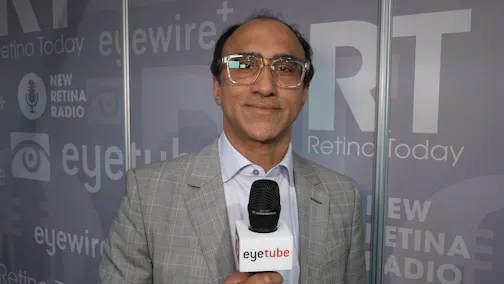
Dr. Hernandez describes the case of a 36-year-old patient who was involved in a motor vehicle accident and presented with a non-clearing vitreous hemorrhage. At the time of primary scleral wound repair, no intraocular foreign body was identified on B-scan ultrasonography. However, during the subsequent vitrectomy, Dr. Hernandez found a 0.4 mm square-shaped tempered glass fragment lying over the posterior pole. Due to the size of the fragment and the lack of special instrumentation at the time of surgery, he used 0.12 forceps to remove the glass shard.
Posted: 9/03/2024
Juan Carlos Gutierrez Hernandez, MD
Dr. Hernandez describes the case of a 36-year-old patient who was involved in a motor vehicle accident and presented with a non-clearing vitreous hemorrhage. At the time of primary scleral wound repair, no intraocular foreign body was identified on B-scan ultrasonography. However, during the subsequent vitrectomy, Dr. Hernandez found a 0.4 mm square-shaped tempered glass fragment lying over the posterior pole. Due to the size of the fragment and the lack of special instrumentation at the time of surgery, he used 0.12 forceps to remove the glass shard.
Posted: 9/03/2024


![[2019] Amniotic Membrane Placement for Repair of Recurrent Macular Hole](https://d33x7gwyb2b5z6.cloudfront.net/eyetube/thumbs/gldaw.jpg?auto=compress,format&w=180)




Please log in to leave a comment.