


Search
Search

Joseph Allen, OD, FAAO, Dipl ABO
Show Description +
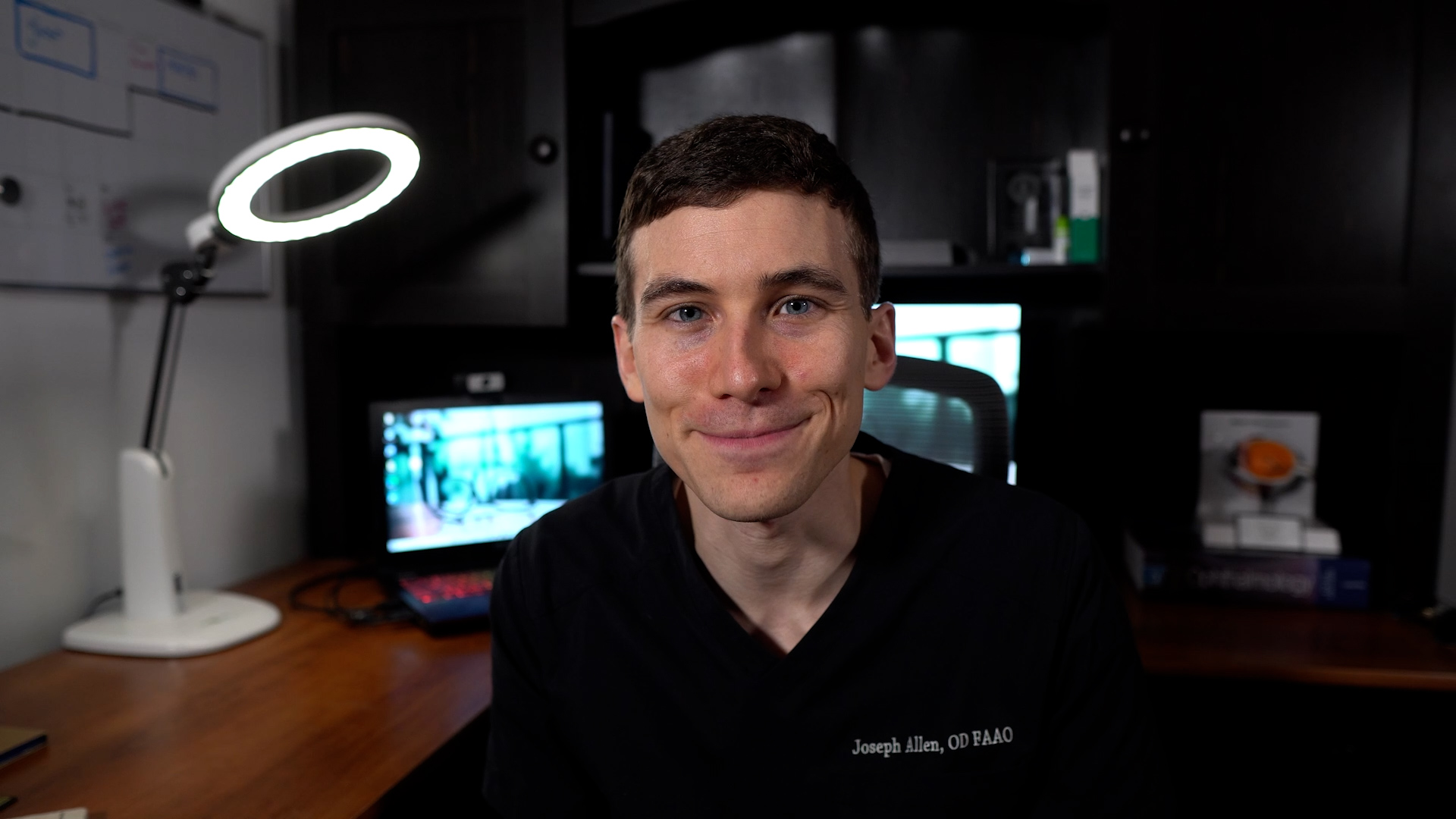
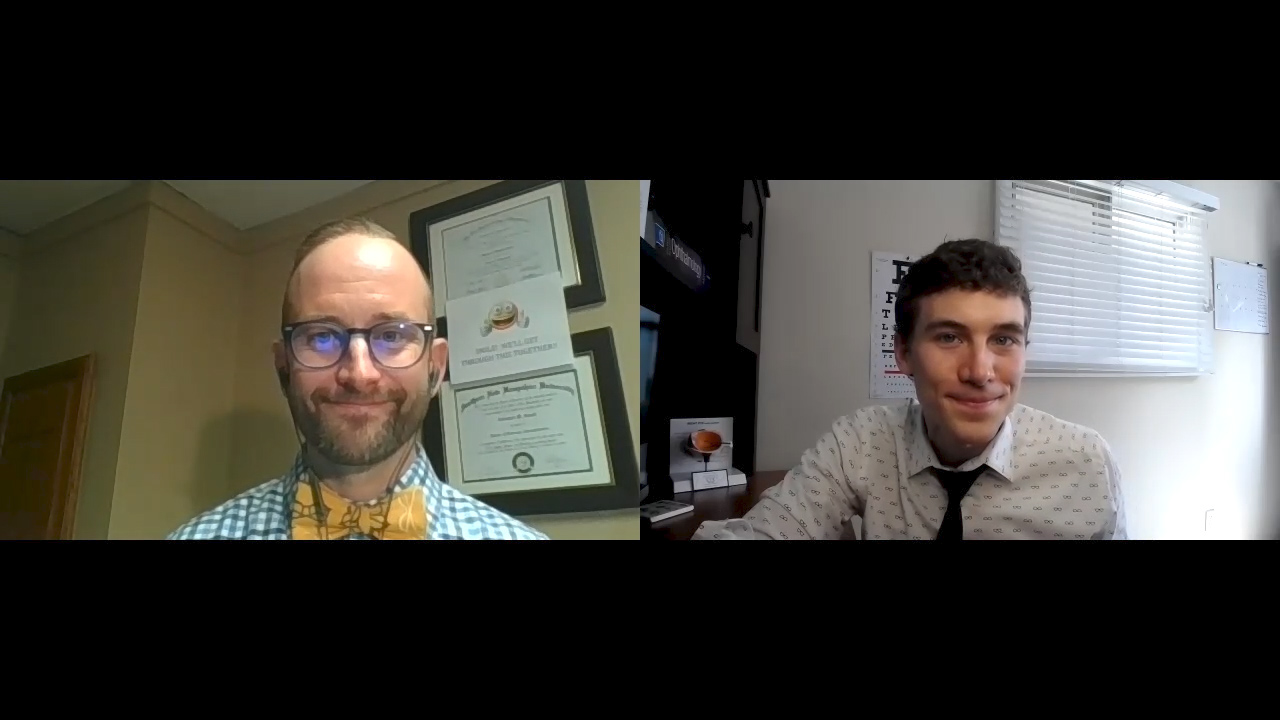
In this episode, Joseph J. Allen, OD, FAAO, Dipl ABO, covers the ocular side effects associated with GLP-1s, initially prescribed for diabetes management and now gaining popularity for their weight loss control capabilities. Dr. Allen emphasizes the importance of a baseline eye examination and documentation, follow-up, and proper patient education on potential GLP-1 complications, the most common being NAION.
Posted: 3/25/2026
Joseph Allen, OD, FAAO, Dipl ABO
In this episode, Joseph J. Allen, OD, FAAO, Dipl ABO, covers the ocular side effects associated with GLP-1s, initially prescribed for diabetes management and now gaining popularity for their weight loss control capabilities. Dr. Allen emphasizes the importance of a baseline eye examination and documentation, follow-up, and proper patient education on potential GLP-1 complications, the most common being NAION.
Posted: 3/25/2026
Read Transcript
Joseph Allen: 00:00 So welcome back to Eye Care Insiders. I'm Joey Allen. If you're not super familiar with how GLP-1s work, uh, GLP-1s are receptor agonists that help stimulate insulin secretion. They help reduce glucagon as well as slow gastric emptying. It also results in feeling more satiated. So that is why a lot of people are often prescribed these, not only for diabetic control for Type 2 diabetes, but also for helping with weight loss. As people that may struggle with overeating can take this, it helps them feel more full, and then they're less likely to drive and eat more calories. So, in today's episode, we're going to break down not only what the publications are showing for the true risk of developing a condition like NAION with GLP-1s, but also, we'll talk about the risk factors that you will want to be aware of and how to counsel your patient on those factors.
00:57 And we'll even talk about some of the lesser-known complications or side effects that are now surfacing in the research related to GLP-1s as well. So, let's take a look.
01:11 Common GLP-1 medications to be aware of and look in your chart for are probably the most common is semaglutide, known as Ozempic or Wegovy. Also, Liraglutide, Dulaglutide, and Tirzepatide. There's more than that, but those are probably the most common. Now, before I dive into the risks and we go over all the potential side effects and everything, I think it's just important to highlight how transformative some of these medications can be for our patients. Not only can it help with their diabetes and with their weight loss, but they also are finding other cardiovascular benefits of taking these meds, uh, either related because of the reduction in obesity, but also just for benefits of other metabolic conditions. So, the biggest concern right now is the use of GLP-1s is the risk of an NAION, a non-arteritic anterior ischemic optic neuropathy with all of the classic symptoms, right?
02:08 The sudden, painless vision loss, usually in one eye, uh, often altitudinal and can also come with other symptoms. The dyschromatopsia, uh, signs of an RAPD, and you can have the disc edema, hemorrhages, all of that. Probably the most discussed publication regarding this came from Hathaway in JAMA 2024, where in a real-world cohort, they reported an association between use of semaglutide and development of an NAION. In that semaglutide use is associated with about a twofold increased risk of getting an NIAON. But I will emphasize the absolute risk for getting this is still, uh, rather low. It's like two in 10,000, uh, cases per year, but still, that is somebody's vision and, uh, the number’s not zero. Probably the other biggest thing is, I think for us, knowing who is at risk and kind of how to counsel them. Now I'm going to mention a few other things from this clinical report, but probably the two big areas I want to emphasize is one, uh, they do say that if you find somebody who is getting an NAION from the use of, uh, semaglutide or any GLP-1 medications, it is recommended to discontinue that medication at that point. Uh, of course, collaborating with other practitioners, and the entire healthcare team as necessary, because our role as eye doctors is not only to assess for kind of ocular risks, but to establish a baseline for our patients. And then of course, to educate them on not only their risk factors, but kind of symptoms to be aware for, and to help guide treatment or discontinuation of a med if they are having, uh, one of these side effects.
04:03 The biggest risk factors for developing NAION, even, you know, without use of a GLP-1 include people who are diabetic, who have high blood pressure, they have high cholesterol or hyperlipidemia, and they have other things like obstructive sleep apnea, which is actually quite a few people. Uh, I think that as a, as a whole topic, I think, uh, if you haven't studied obstructive sleep apnea and how it affects the body, and how beneficial a, uh, CPAP machine is, uh, I think that's a, a really fascinating area. But I digress. Probably the other big thing, especially from an eye care standpoint to assess is for disc at risk, right? If you see a small optic nerve, uh, then that individual may be in general just at a higher risk of having an NAION to begin with, which also has been mentioned that if you have somebody who has optic nerve head drusen because of the crowding effect of those deposits, they also may carry this increased risk.
05:03 With all of this in mind, I do kind of have this question, how can we as eye care professionals, like, better communicate these risk factors, especially in a population that is often overweight, the risk, again, of diabetes, high blood pressure, hypertension, all of these factors are already pretty high? How do we better communicate to PCPs and endocrinologists that may, uh, be the ones putting our patients on these GLP-1s? And this is, again, just a thought here, and please, um, open to discussion. I'd love to see your comments, uh, down below. Do you think it would be good for us to start leaving a comment on our, like, diabetic letters, for example, that go out to the PCPs and endocrinologists, uh, if somebody has a small optic disk, do we want to note, like, like, "Hey, uh, disc at risk identified, um, you know, considerations for increased risk of side effects with GLP-1s." So, if there's anything we can do to better counsel our patients and to better communicate to prescribing physicians of, like, where that risk lies, then I feel like we're doing a better job.
06:13 Now, beyond the risk of NAION, there are some other publications that are, again, kind of shedding light of other things that can happen when taking GLP-1s. So the SUSTAIN-6 trial, they reported an increased risk of complications of diabetic retinopathy for patients taking semaglutide is about 3% versus about 1.8%, uh, of the people taking placebo, which of course is not a huge percent difference, but it still is increased. And this is believed to occur because of the very fast or rapid drop in blood glucose, which is not too surprising again, because this is something that we also do see in people who are maybe put on insulin, for example. We often do see a worsening of existing retinopathy. If you have a patient who has existing retinopathy, especially moderate or severe, uh, probably really important to make sure you have a good baseline and you have an appropriate cadence for follow-up for those patients.
07:15 And then probably the last kind of interesting complication related to GLP-1 use, uh, that I've seen reported is a very small increased risk of neovascular AMD in patients on GLP-1s who happen to be diabetic. Which a population-based cohort out of Ontario, they reported about a two-times increased relative risk of converting to neovascular AMD in this population. However, uh, again, the absolute risk is still like a 0.2%. So again, very low, but if you have a population that is diabetic and has AMD as well, uh, again, probably pertinent to just be aware that there may be an increased risk. But of course, I'll say, um, more research is always needed. Now, as far as what to do about this info, here's probably the cleanest guidance I can give on like a workflow consideration that is in alignment with the AOA. First, of course, is having a good baseline.
08:19 Uh, hopefully patients are already coming in every year to have an exam, especially if they're diabetic or if they have something like AMD, but it's recommended to at least have a comprehensive in- person dilated eye exam within 12 months, uh, or definitely within one month of initiating a GLP-1. Two is to have good baseline documentation, which would include taking either fundus photographs and possibly an OCT, especially for our patients who are at higher risk. Three is, of course, document and make sure you're following up with patients, right? They're at higher risk, and so you want to make sure you're at least following up every 12 months, uh, or within an 18-month period. And then, of course, is education. I think it's important to be educating our patients if they're currently taking a GLP-1, or again, they're at any risk of sight-threatening vision loss to at least let them know to be aware that it's possible, and if they start to have sudden vision changes, uh, like their vision going dark, to immediately, uh, consider that like an emergency.
09:24 They need to take care of that, not like, you know, "Oh, I'm going to wait till Friday afternoon to, to see if this goes away on its own." And possibly for even our diabetics to just be aware if they see new floating spots in their vision, if their vision fluctuates, goes blurry, uh, they have any distortions, things like that, that again, uh, they need to contact us right away. But of course, GLP-1s are probably here to stay. So, it's really good for us to be aware of what's going on to stay on top of the research. Right now, most GLP-1s are injectables, uh, but I have heard that there are some, like, oral pills that are being formulated and maybe will be coming to the market at some point, and who knows, uh, if different forms of these medications, different designs, uh, these formulations are going to cause the same risk factors going forward.
10:17 Maybe better, maybe worse, we'll have to see. Either way, if you found today's video valuable, do us a favor. Please share this video with a fellow colleague, with someone else in your eye clinic so that everyone's more aware of what's going on and how we can better take care of our patients. But until next time, thank you so much for watching. Keep an eye on it, and we'll see you in the next video.


















_1701789080.png?auto=compress,format&w=180)





.mp4.00_05_41_04.Still001_1680887186.jpg?auto=compress,format&w=180)
.00_13_09_19.Still001_1676069079.jpg?auto=compress,format&w=180)


























Please log in to leave a comment.