


Search
Search
Show Description +
Dr. Chang explores novel therapies in the pipeline for diabetic eye disease, including gene therapies, suprachoroidal injections, topical drops, and oral therapies. Many of these could treat patients earlier in the course of the disease.
Posted: 10/07/2026
Dr. Chang explores novel therapies in the pipeline for diabetic eye disease, including gene therapies, suprachoroidal injections, topical drops, and oral therapies. Many of these could treat patients earlier in the course of the disease.
Posted: 10/07/2026
Read Transcript
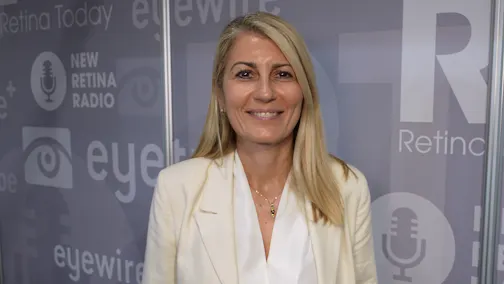
Hi, I'm Andrew Chang. I'm a retinal specialist based in Sydney, Australia. It was great to join the symposium on sharing new directions in the treatment of diabetic macular edema and diabetic retinal damage. I got to talk about new novel pathways and delivery systems. We have evolving treatments for diabetic eye disease. We have laser, then injections of steroid, and now the standard of care for much of what we treat is anti-VEGF therapy. But as clinicians, we still want to reach out to do better. And that's because not all the treatments we have addresses the different aspects of damage caused by diabetes. And the treatments that we do have are affected by burden because we need to treat like injections in the eye very frequently. So we've seen an evolution of moving out of the vitreous. If we move out, we can actually start to deliver drugs in different spaces.
One space would be the suprachoroidal space. The suprachoroidal space is bordered by the sclera. It can cope with delivery of therapeutic drugs. It can release drugs slowly into the posterior segment and less into the front of the eye. And some of the new treatment options we have, including gene therapy, are delivered through a suprachoroidal injection. If we move further out, we're actually looking at eye drops and there are now a number of studies using eye drops or topical delivery to treat retinal issues. Now that leads us into a whole different paradigm or direction. So if we're treating with eye drops or oral tablets, less invasive injections, then the target is to treat patients earlier in the disease, that is mild to moderate or severe non-proliferative diabetic retinopathy. And so with these treatments, we could slow the rate of progression into the more blinding form. So current treatments are when a patient already has lost vision because of macular edema or hemorrhage in the eye, but the next level would be to look at different delivery systems and treat patients earlier before they develop blinding complications.
So the area of treating diabetic related damage is evolving rapidly. I think we're going to be seeing new delivery systems, different drugs that are trialed, and also combination of these treatments. So we might start with a invasive treatment and then look for something like a suprachoroidal injection for longer durability, or we might see a patient presenting initially when they don't have such bad damage and we can treat them with drops or oral tablets. And then once they develop, if they do, blinding complications, then we move into the more invasive therapies. But it's been really great participating at Euretina. Thank you very much.
Bryn Mawr Communications, LLC, and Eyetube.net are not affiliated with the official program of EURETINA: 2026.











Please log in to leave a comment.