


Search
Search
Saksonov Stanislav; Teslenko Olexandr; and Dmytrulina Nikolietta
Show Description +
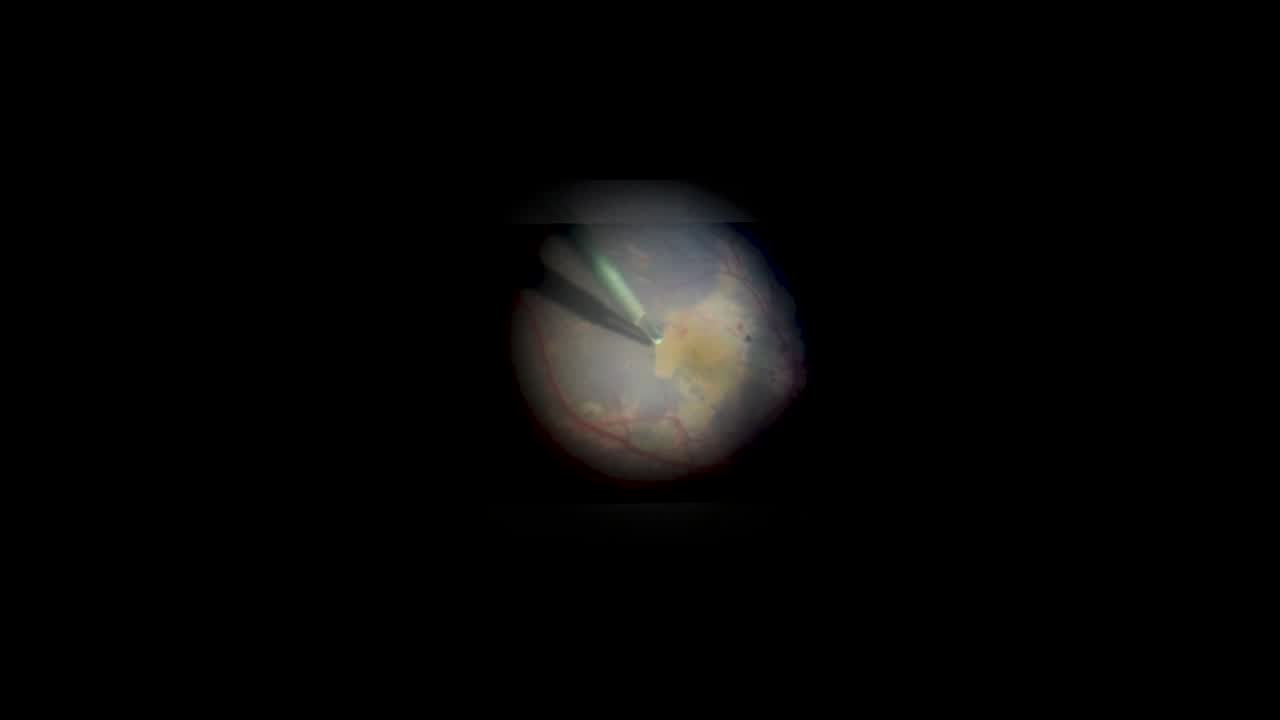
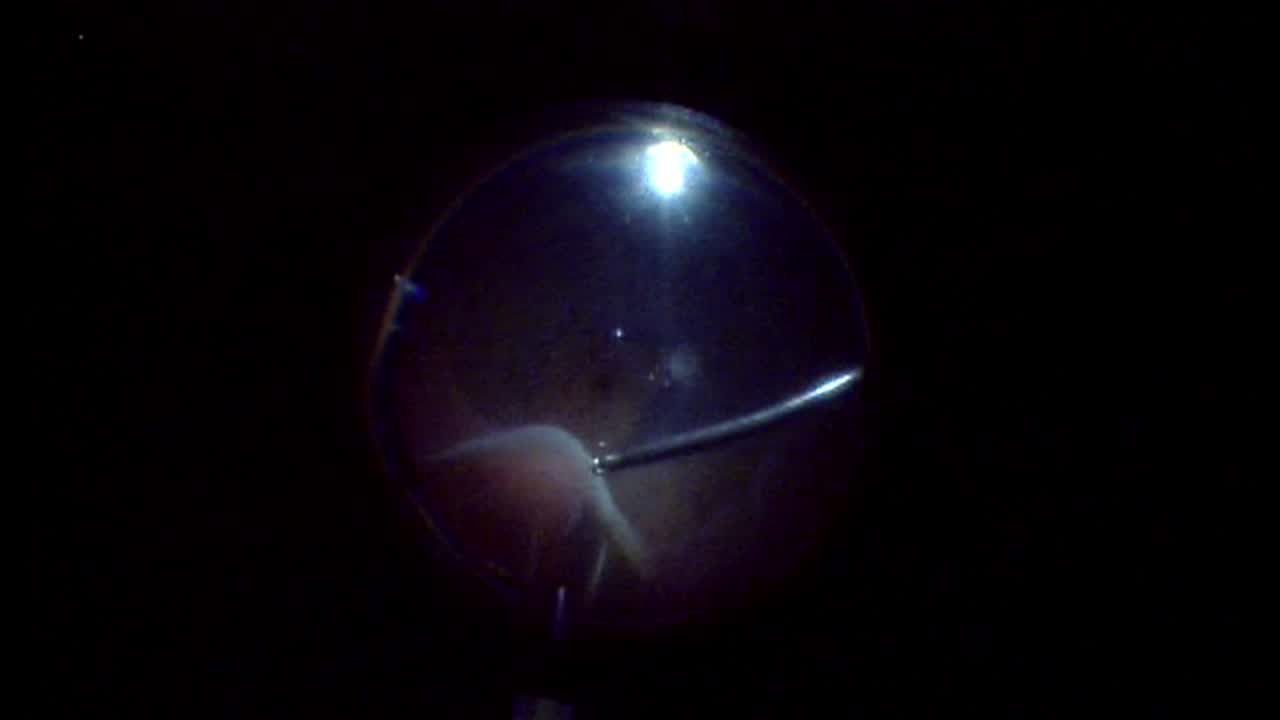
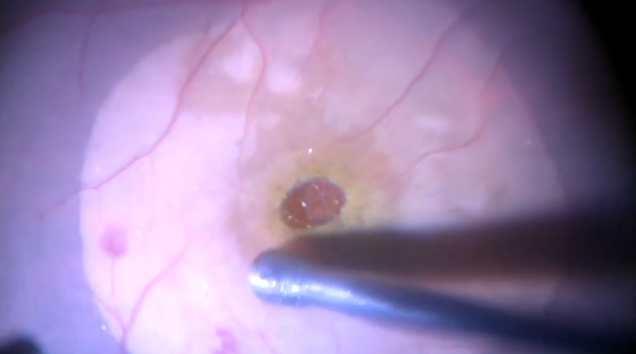
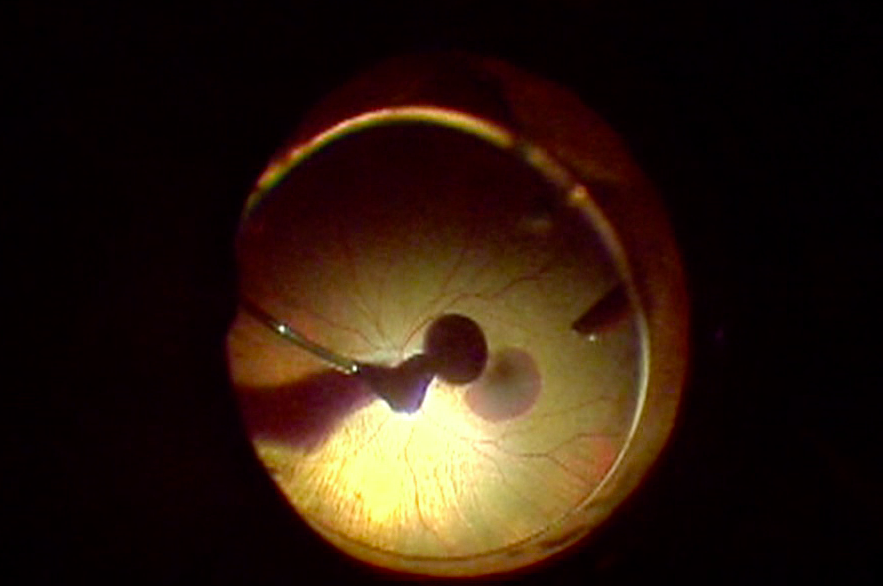
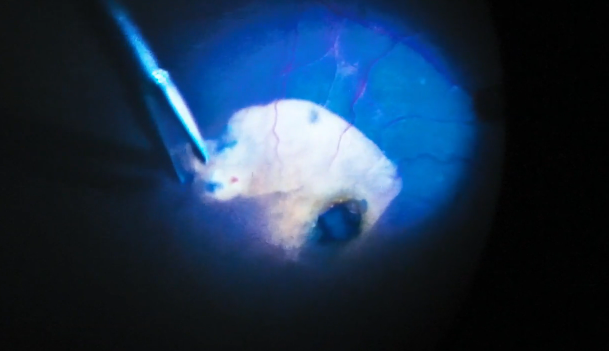
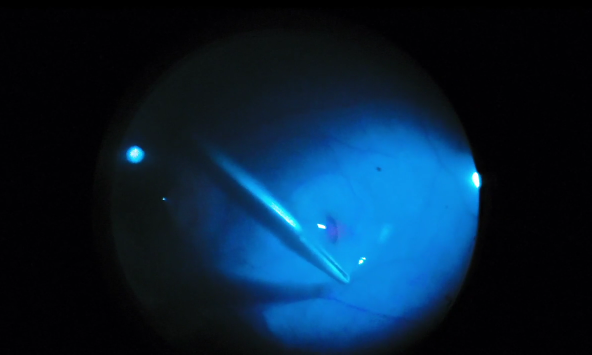
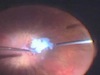
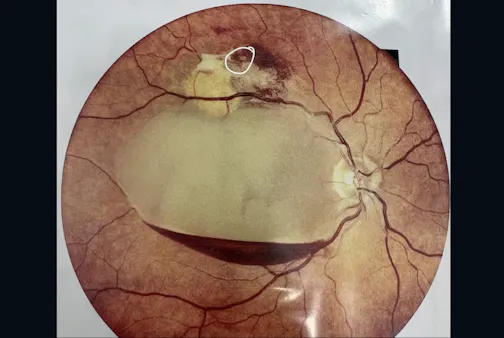
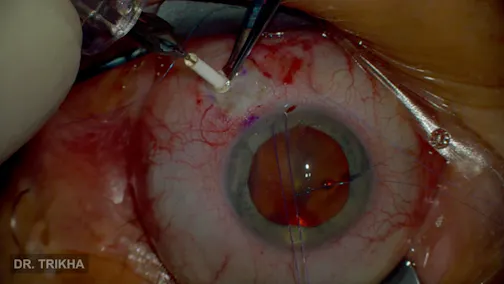
The speakers describe the management of a 60-year-old patient who presented with complaints of sudden, severe loss of vision in the left eye. Fundus examination revealed signs of retinal ischemia, including retinal pallor and ischemic changes, as well as marked narrowing of the retinal arteries. In the area of the inferior arcade, a clearly visible intravascular embolus was identified. Based on its characteristic yellow coloration, the embolus was most likely cholesterol in nature and was consistent with Hollenhorst plaque. Transluminal Nd:YAG laser embolysis provided a minimally invasive mechanical approach directed at the underlying cause of the vascular occlusion, the visible intravascular embolus, and resulted in restoration of retinal blood flow. Note: The speakers used AI for the narration in the video and have reviewed it for accuracy and clarity.
Posted: 9/08/2026
Saksonov Stanislav; Teslenko Olexandr; and Dmytrulina Nikolietta
The speakers describe the management of a 60-year-old patient who presented with complaints of sudden, severe loss of vision in the left eye. Fundus examination revealed signs of retinal ischemia, including retinal pallor and ischemic changes, as well as marked narrowing of the retinal arteries. In the area of the inferior arcade, a clearly visible intravascular embolus was identified. Based on its characteristic yellow coloration, the embolus was most likely cholesterol in nature and was consistent with Hollenhorst plaque. Transluminal Nd:YAG laser embolysis provided a minimally invasive mechanical approach directed at the underlying cause of the vascular occlusion, the visible intravascular embolus, and resulted in restoration of retinal blood flow. Note: The speakers used AI for the narration in the video and have reviewed it for accuracy and clarity.
Posted: 9/08/2026


![[2019] Amniotic Membrane Placement for Repair of Recurrent Macular Hole](https://d33x7gwyb2b5z6.cloudfront.net/eyetube/thumbs/gldaw.jpg?auto=compress,format&w=180)


Please log in to leave a comment.