


Search
Search
Samuel Arba Mosquera, MSc, PhD, Shady T. Awwad, MD
Show Description +
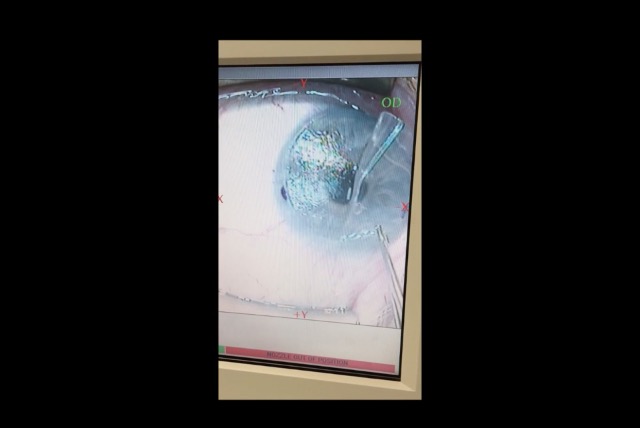
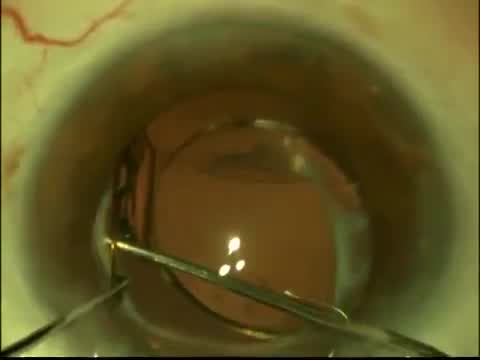
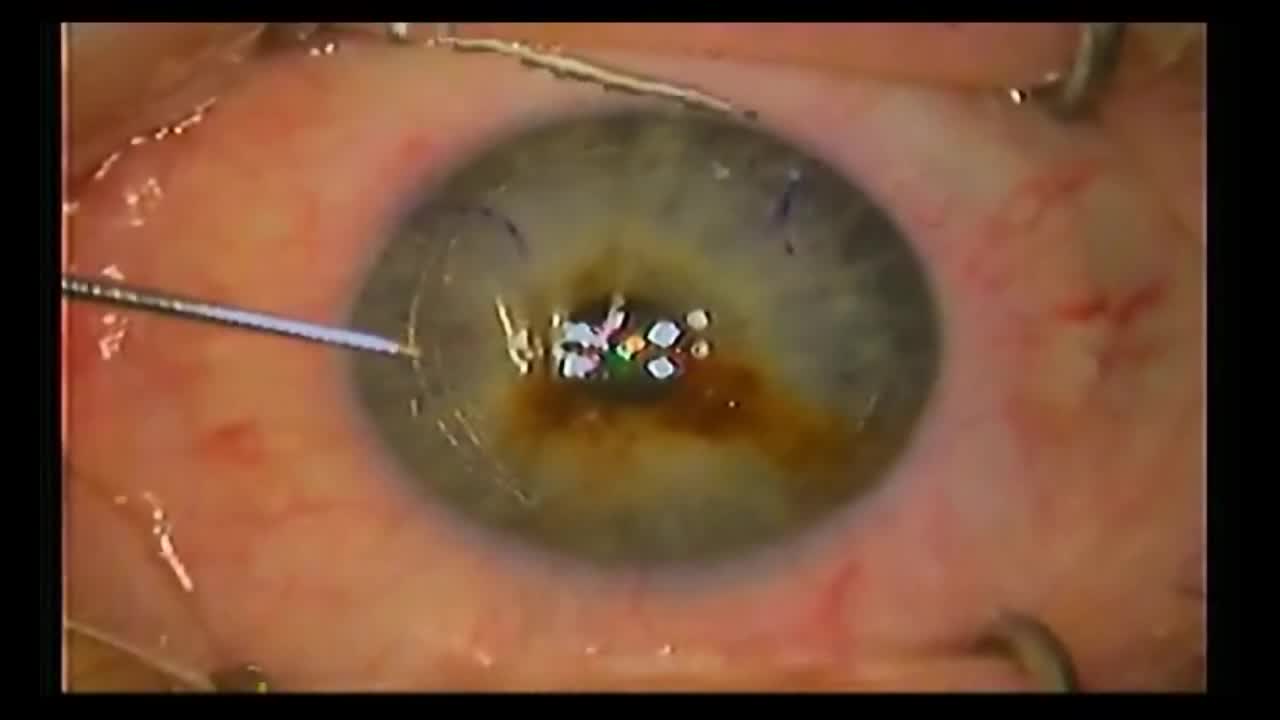
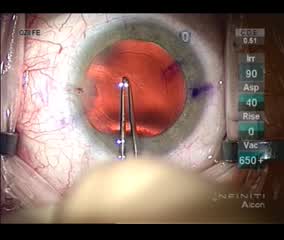
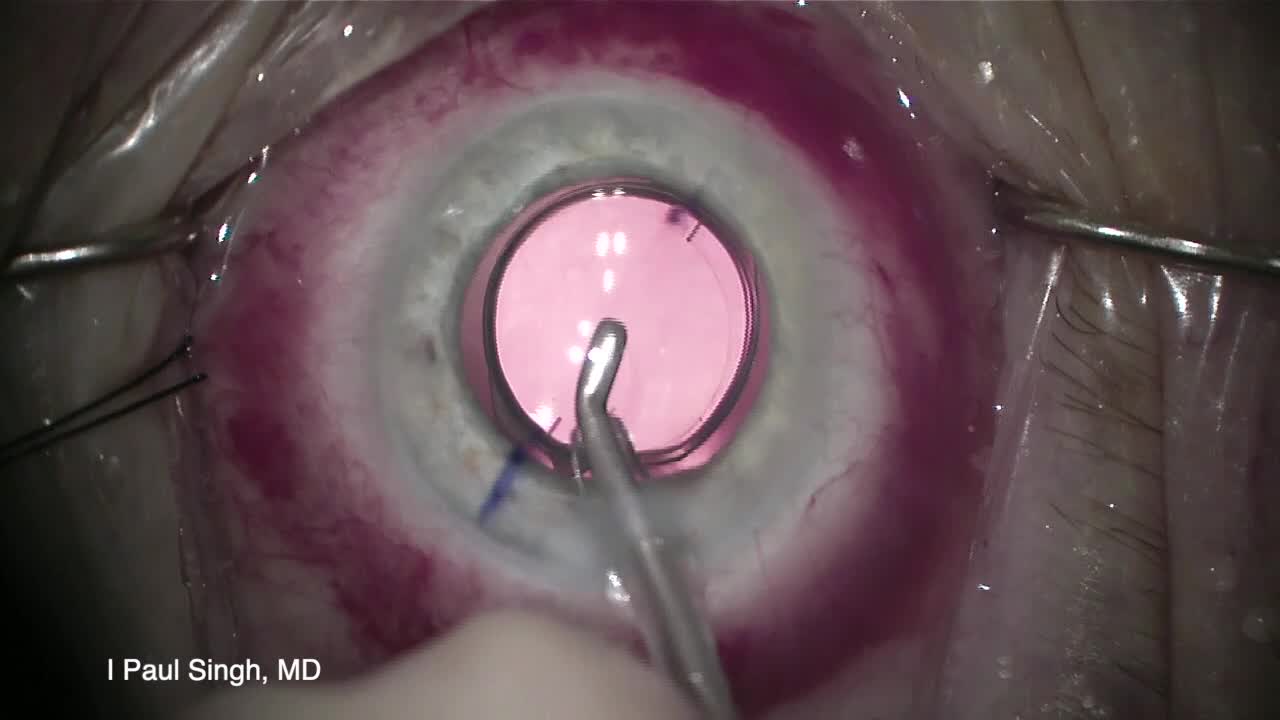
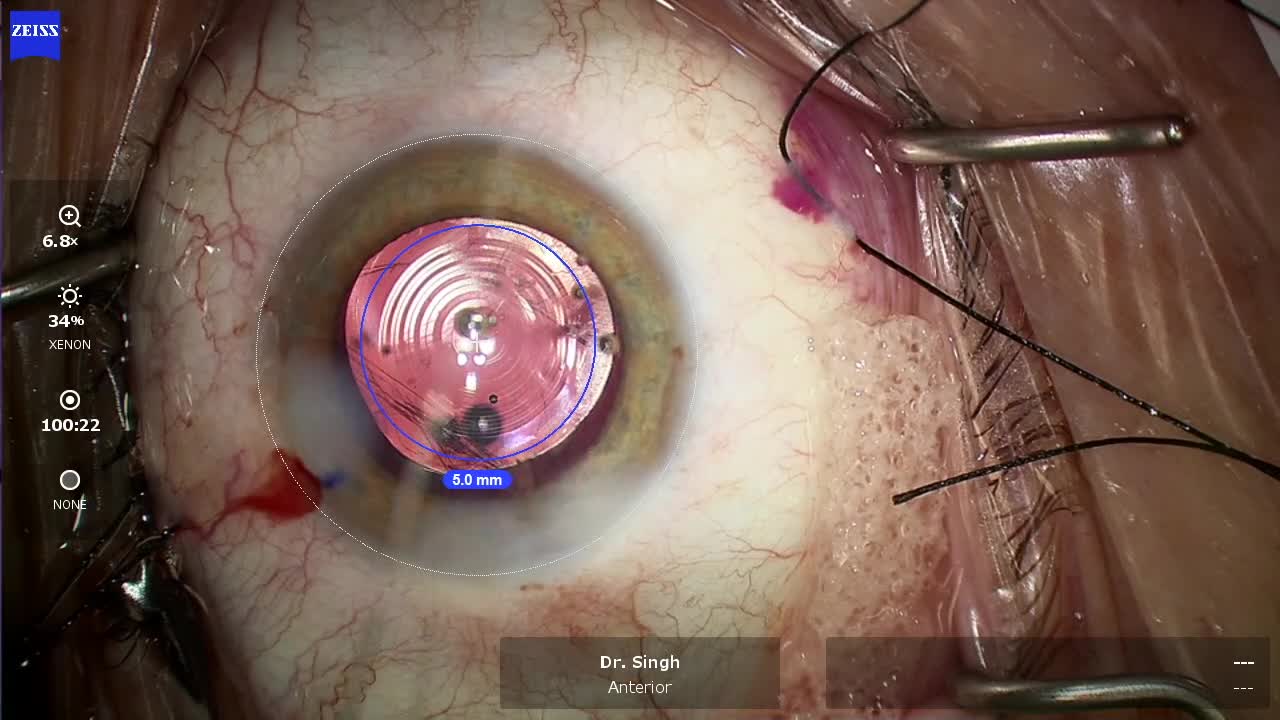
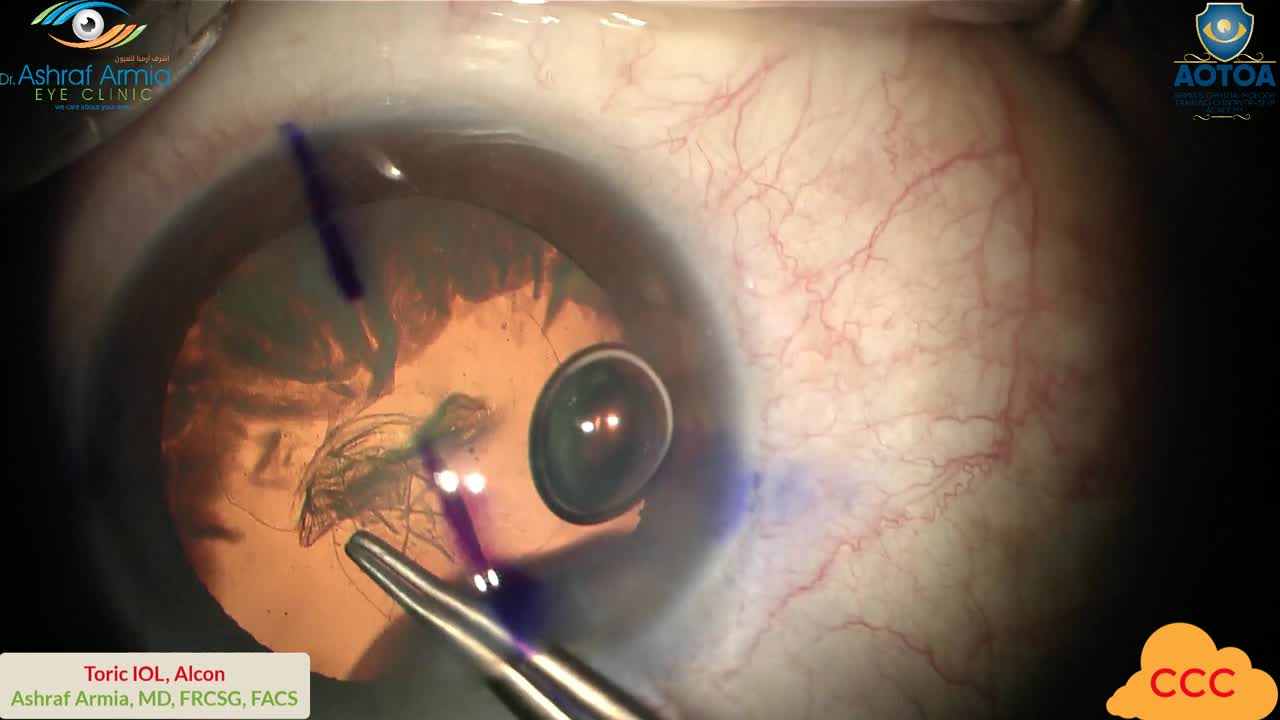
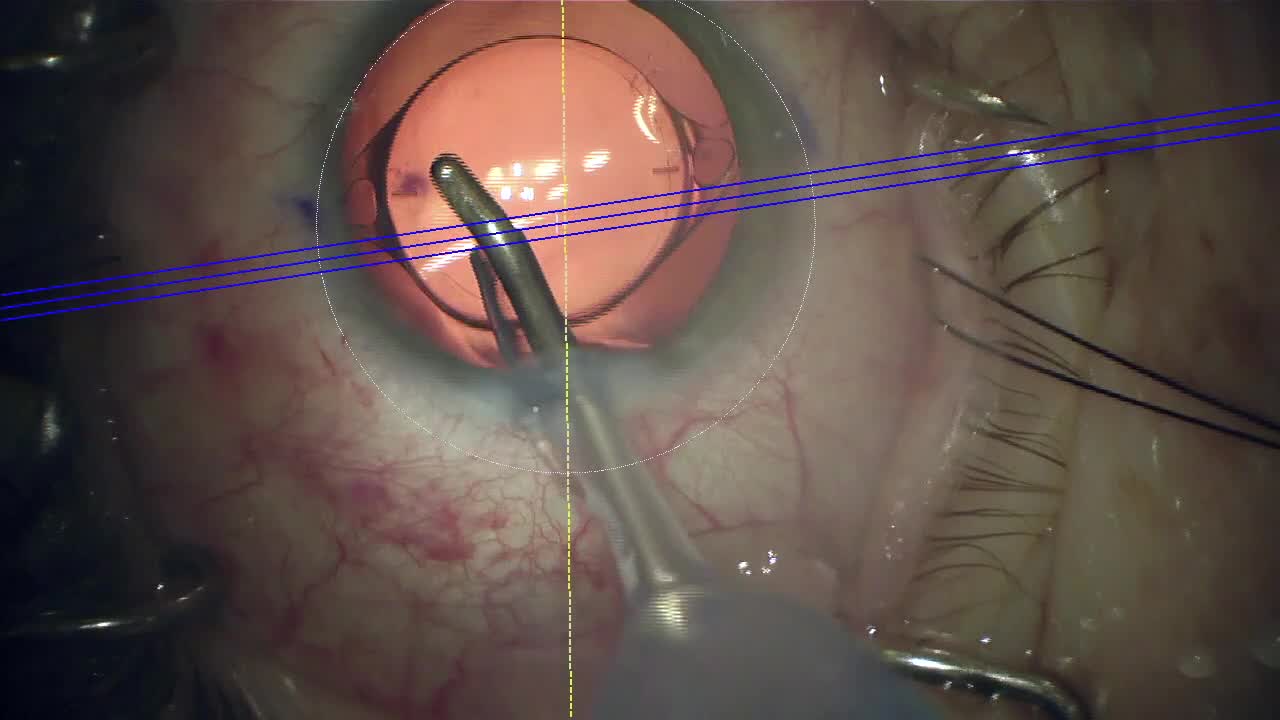
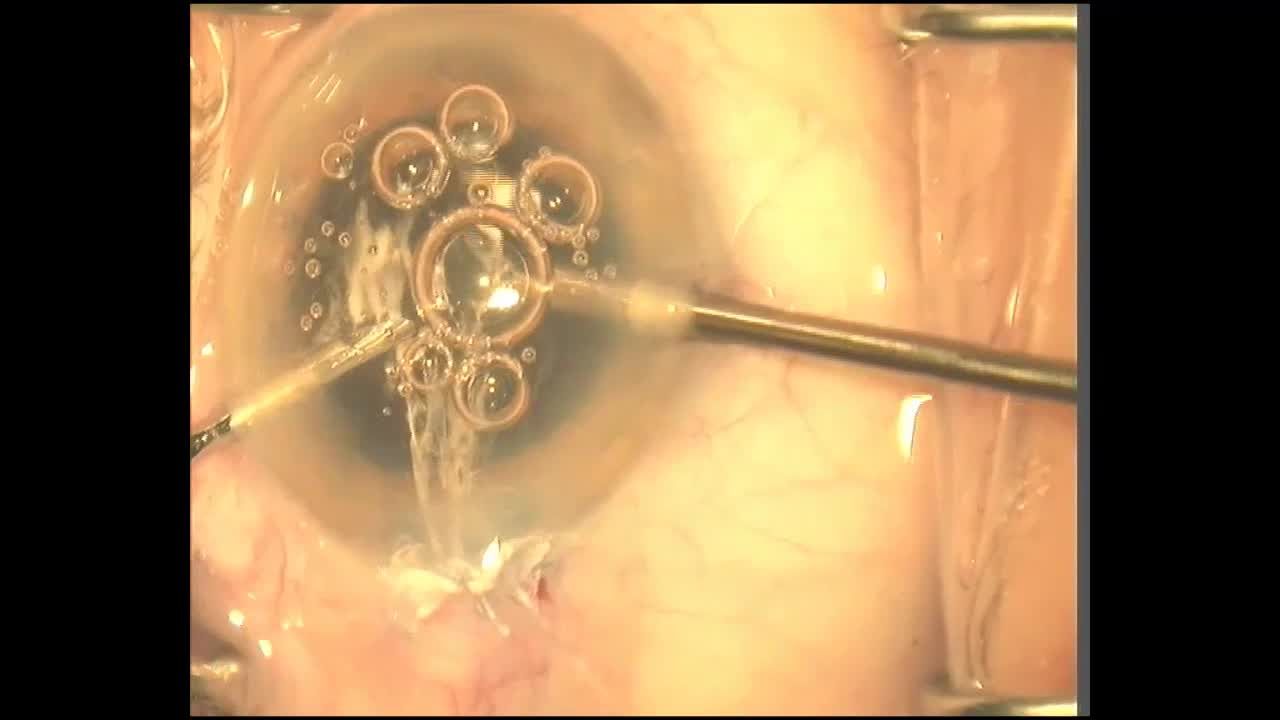
This procedure uses modern improvements in excimer laser integration and engineering to improve an old concept and make it simple, systematic, and consistent. In essence, trans-PRK is a no-touch, all-laser procedure that is performed as follows. First, a speculum is introduced between the eyelids. Next, a polyvinyl alcohol sponge is dipped in balanced salt solution and allowed to expand fully, and then it is applied very gently over the corneal surface in a painting-like motion to avoid unequal wetting of the cornea, which could result in uneven ablation. Pupil registration, together with static and dynamic cyclotorsion control, is initiated, and the laser treatment is applied.
Posted: 9/22/2014
Samuel Arba Mosquera, MSc, PhD, Shady T. Awwad, MD
This procedure uses modern improvements in excimer laser integration and engineering to improve an old concept and make it simple, systematic, and consistent. In essence, trans-PRK is a no-touch, all-laser procedure that is performed as follows. First, a speculum is introduced between the eyelids. Next, a polyvinyl alcohol sponge is dipped in balanced salt solution and allowed to expand fully, and then it is applied very gently over the corneal surface in a painting-like motion to avoid unequal wetting of the cornea, which could result in uneven ablation. Pupil registration, together with static and dynamic cyclotorsion control, is initiated, and the laser treatment is applied.
Posted: 9/22/2014





Please log in to leave a comment.