


Search
Search
Show Description +
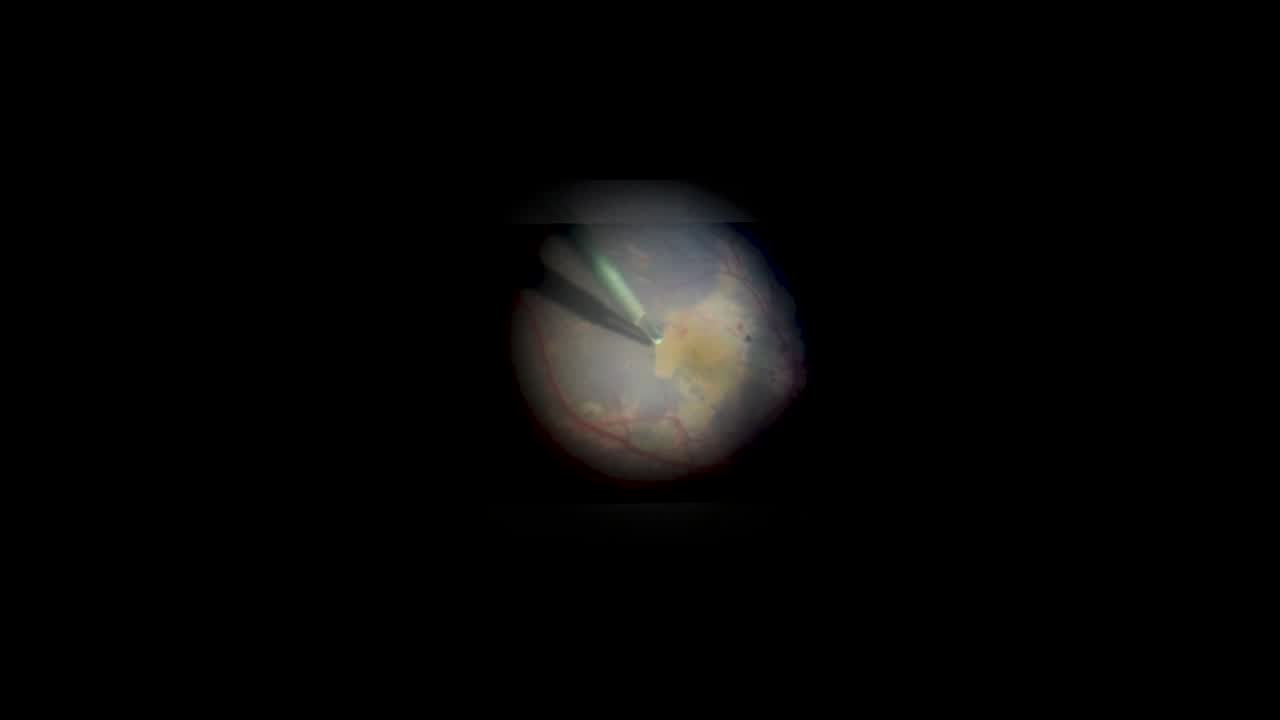
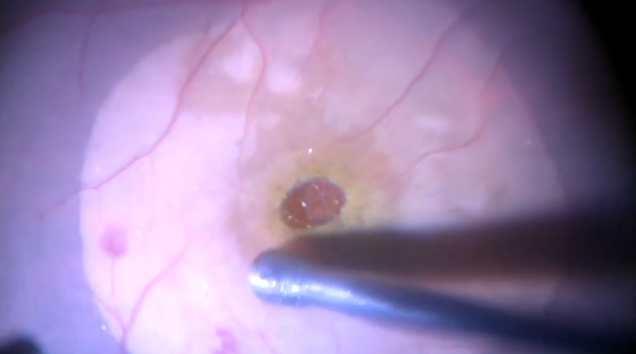
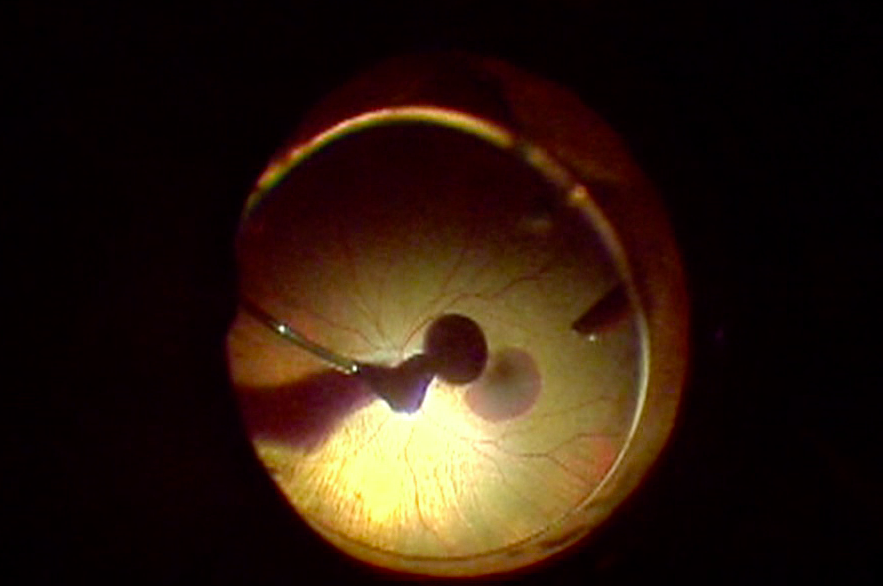
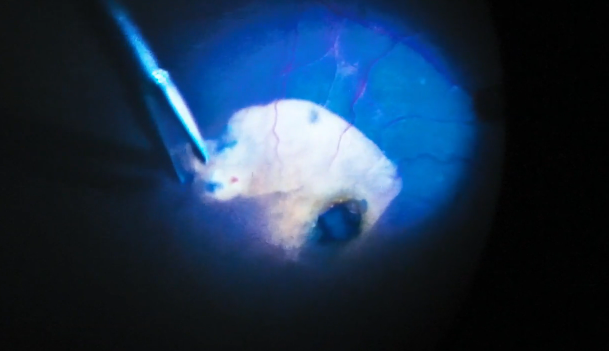
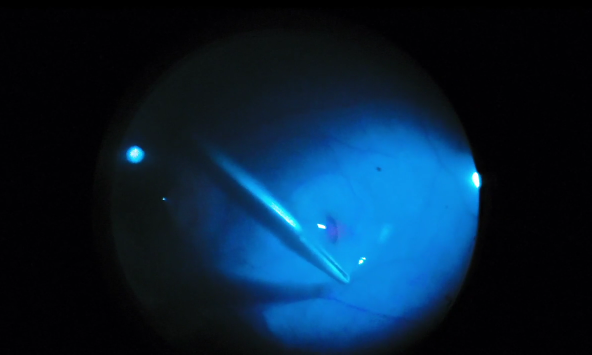
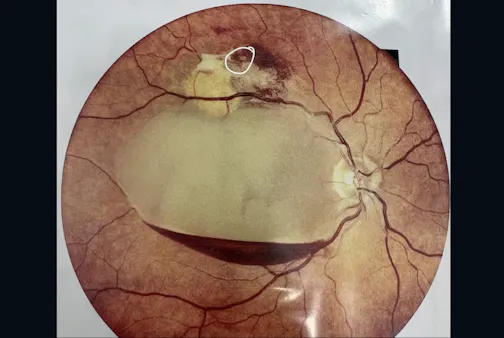
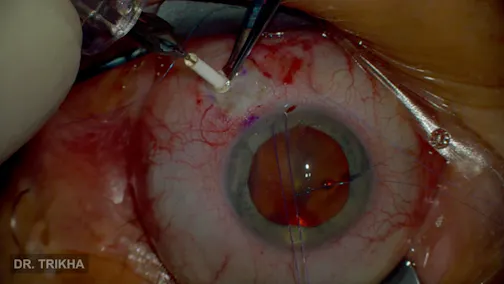
Tian Bei, MD, PhD, presents a challenging case of a secondary full-thickness macular hole in an eye that had previously undergone multiple vitreoretinal surgeries for retinal detachment, including pars plana vitrectomy with silicone oil tamponade and subsequent silicone oil removal. A dense epiretinal membrane was present over the macula, resulting in severe distortion of the foveal architecture and making conventional macular hole repair complex. After meticulous removal of the epiretinal membrane and release of traction around the macular hole, the internal limiting membrane (ILM) was stained and fashioned into four to six petal-shaped flaps centered on the fovea. Rather than actively manipulating the ILM flap into the macular hole, the flaps were left in an open configuration. The intrinsic elasticity and natural tendency of the ILM to curl allowed the petals to spontaneously roll inward and gather toward the center of the macular hole, creating a flexible covering structure. This approach minimizes direct instrumentation of the fragile foveal tissue and avoids forceful insertion of the ILM flap into the hole, illustrating a potential tissue-preserving alternative for complex secondary macular hole repair.
Posted: 8/27/2026
Tian Bei, MD, PhD, presents a challenging case of a secondary full-thickness macular hole in an eye that had previously undergone multiple vitreoretinal surgeries for retinal detachment, including pars plana vitrectomy with silicone oil tamponade and subsequent silicone oil removal. A dense epiretinal membrane was present over the macula, resulting in severe distortion of the foveal architecture and making conventional macular hole repair complex. After meticulous removal of the epiretinal membrane and release of traction around the macular hole, the internal limiting membrane (ILM) was stained and fashioned into four to six petal-shaped flaps centered on the fovea. Rather than actively manipulating the ILM flap into the macular hole, the flaps were left in an open configuration. The intrinsic elasticity and natural tendency of the ILM to curl allowed the petals to spontaneously roll inward and gather toward the center of the macular hole, creating a flexible covering structure. This approach minimizes direct instrumentation of the fragile foveal tissue and avoids forceful insertion of the ILM flap into the hole, illustrating a potential tissue-preserving alternative for complex secondary macular hole repair.
Posted: 8/27/2026


![[2019] Amniotic Membrane Placement for Repair of Recurrent Macular Hole](https://d33x7gwyb2b5z6.cloudfront.net/eyetube/thumbs/gldaw.jpg?auto=compress,format&w=180)



Please log in to leave a comment.