


Search
Search
VBS: 2026

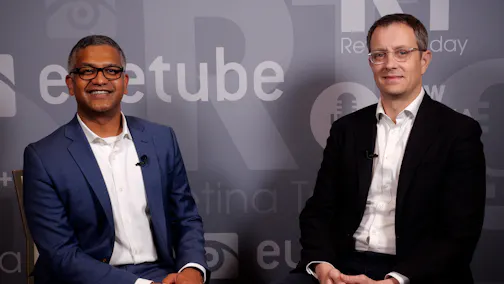
Adrienne W. Scott, MD, FASRS and Sharon Fekrat, MD, FASRS
Show Description +
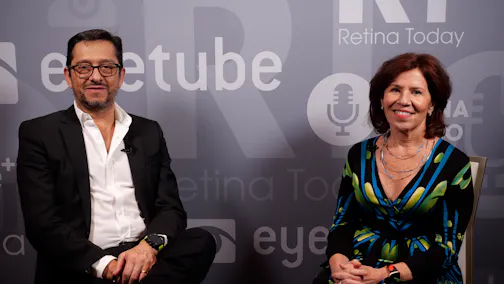
Drs. Fekrat interviews Dr. Scott, the recipient of the 2026 VBS Mentorship Award, to discuss the value of mentorship in all aspects of life, including areas such as work-life balance, how mentorship has changed over the years, and the importance of creating opporunities for mentees to grow.
Posted: 4/22/2026
Adrienne W. Scott, MD, FASRS and Sharon Fekrat, MD, FASRS
Drs. Fekrat interviews Dr. Scott, the recipient of the 2026 VBS Mentorship Award, to discuss the value of mentorship in all aspects of life, including areas such as work-life balance, how mentorship has changed over the years, and the importance of creating opporunities for mentees to grow.
Posted: 4/22/2026
Read Transcript
Sharon Fekrat, MD, FASRS (00:17):
Hello. My name is Sharon Fekrat, and I'm a retina specialist at the Duke University School of Medicine.
Adrienne W. Scott, MD, FASRS (00:24):
Hello. My name is Adrienne Scott, and I'm a retina specialist at the Wilmer Eye Institute, Johns Hopkins University School of Medicine.
Sharon Fekrat, MD, FASRS (00:31):
I think mentorship has really changed over the years. I finished my training in 1998, and mentorship looks really different now than it did back then.
Adrienne W. Scott, MD, FASRS (00:44):
I agree with that. I think that mentorship has a few principles that seem to span the test of time, and that's that your mentor is there to support you and further your career, but now it maybe extends to things like work-life balance or home life where you can have multiple mentors to do different things for you and you don't have to have a mentor that's just in your field. So, the principle behind mentorship means that you always want to see your mentee winning in all aspects of life. And the more they win, that actually helps you as a mentor mentor others because then you get that feedback and that extra encouragement that you're doing a good job.
Sharon Fekrat, MD, FASRS (01:24):
Yes. And you really get to pay it forward. I think in addition to mentorship, sponsorship is so important, right? To create opportunities for your mentee. So instead of you as a mentor saying, "Yes, I'll go give that talk," you could offer it to your mentee. And that sponsor really has to hold your paper behind closed doors, so to speak, and really advocate for you.
Adrienne W. Scott, MD, FASRS (01:51):
Yeah, I like that very much. I think being a mentor, being an advocate, but also being somebody that can help with things, for example, if there's a grant or somebody needs a percent effort or you have something that you can contribute to be able to build your mentees' profile in that aspect is really important.
Sharon Fekrat, MD, FASRS (02:10):
And we've seen today here at the Vit-Buckle Society Meeting here in Las Vegas, we've both seen people have come up to us and said, "20 years ago when I met you, you were so kind or you helped me with this." And we may not remember those moments as much as they do. And you can see how grateful these mentees are toward what we do to try to be helpful.
Adrienne W. Scott, MD, FASRS (02:38):
Yeah, it's absolutely wonderful and probably the most gratifying feeling when you see somebody whom you've taught or known for years do well professionally and continue to mentor trainees of their own. And that's part of our legacy in the field.
Sharon Fekrat, MD, FASRS (02:51):
Yes. And even though I was your mentor for many years because you almost went into glaucoma... Actually, I almost went into glaucoma, too.
Adrienne W. Scott, MD, FASRS (03:00):
Oh.
Sharon Fekrat, MD, FASRS (03:02):
But then we saw the light. But I've learned so much from you also.
Adrienne W. Scott, MD, FASRS (03:08):
Well, it's wonderful. And I think the more mature a mentee gets to be, the more it can be more of a partnership or reciprocity there. And there's always that give and take at each step of the way. Because even though you're not a trainee anymore, there are always things professionally that you'll have questions about or need support for.
Sharon Fekrat, MD, FASRS (03:27):
Yeah. And little did we know, what, about 20 years ago when we met, or even a little bit longer, that our mentee-mentor and relationship would become this friendship. And we've just been friends through all of it, and we have so much more ahead of us.
Adrienne W. Scott, MD, FASRS (03:44):
Well, that sounds wonderful. I look forward to it. I always have been grateful because you made retina seem very accessible to many of us who may not have thought about it. And you unapologetically, very proudly have a family and had a family and were an excellent present parent. And a lot of that we didn't see necessarily role-modeled in certain medical specialties.
Sharon Fekrat, MD, FASRS (04:06):
Yeah. Well, thank you. We've all adjusted, and I think it's important for those listening that we've always put more of ourselves into our professional life, or when necessary, we pull back and focus on our family. Because I've always thought if your family is not happy or doing well, you'll never enjoy your job quite as much.
Adrienne W. Scott, MD, FASRS (04:29):
I think that's very important. And you can't have everything all the time at one time, but there's certain times where certain aspects need more of you than others. So, I definitely have learned that.
Sharon Fekrat, MD, FASRS (04:41):
Well, thank you so much. [inaudible 00:04:43]-
Adrienne W. Scott, MD, FASRS (04:43):
Well, thank you.
Sharon Fekrat, MD, FASRS (04:43):
... congratulations on your-
Adrienne W. Scott, MD, FASRS (04:45):
Thank you very much.
Sharon Fekrat, MD, FASRS (04:46):
... Mentorship Award for 2026 Vit-Buckle Society Mentorship Award, Dr. Adrienne Scott.
Adrienne W. Scott, MD, FASRS (04:53):
Thank you. Thank you.
Bryn Mawr Communications, LLC, and Eyetube.net are not affiliated with the official program of VBS: 2026.






Please log in to leave a comment.