


Search
Search
ARDS: 2026

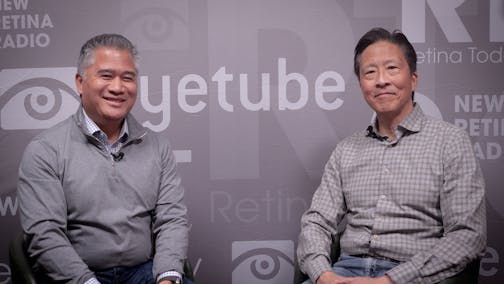
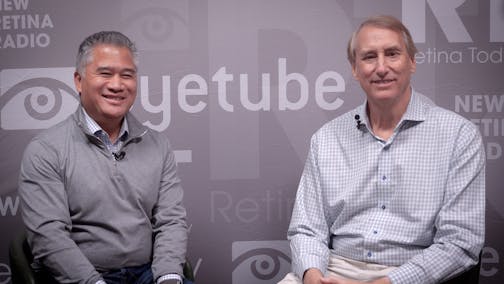
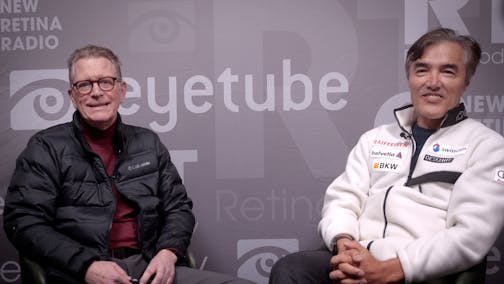
Allen C. Ho, MD, interviewed by Timothy G. Murray, MD, MBA
Show Description +
Drs. Murray and Ho discuss next-generation optogenetic strategies. Gene- and disease-agnostic approaches are garnering, potenially, real hope for patients with for retinal and macular degenerations.
Posted: 3/13/2026
Allen C. Ho, MD, interviewed by Timothy G. Murray, MD, MBA
Drs. Murray and Ho discuss next-generation optogenetic strategies. Gene- and disease-agnostic approaches are garnering, potenially, real hope for patients with for retinal and macular degenerations.
Posted: 3/13/2026
Read Transcript
Timothy G. Murray, MD, MBA (00:16):
Welcome. I'm Dr. Tim Murray, co-director of the Aspen Retinal Detachment Society, coming to you live from Snowmass Mountain. It's my pleasure to have one of our guest speakers, Dr. Allen Ho, present to us on the next generation optogenetic strategy for advanced retinal and macular degenerations. So you gave a great talk and I think something that you alluded to is how elusive this has been for us, the concept of gene therapy. Can you tell me why optogenetics is different and why it's poised now maybe to make a difference?
Allen C. Ho, MD (00:53):
Sure. First of all, we're in a gene therapy era. Optogenetics has been in development for over a decade, probably about since 2012 actually, so quite a while. And in that time period, we have some validation that gene therapy strategies can actually work. In fact, the first gene therapy approved in all of medicine occurred in the subretinal space thanks to Al Maguire and Jean Bennett. And the approval of Spark's Luxturna for a very small segment of patients with advanced retinal degeneration, labor congenital amaurosis RPE65 mutation showed that gene replacement therapy delivered subretinally could make these kids see.
(01:50):
Since that time, there have been over 30 approvals across all fields of medicine for gene therapy. So why would optogenetics work? I think we have kind of a foundation that genetic strategies can be helpful in certain diseases. We're now, in my view, a next generation of optogenetic strategies, kind of similar to what happened with anti-VEGF therapies. Our first therapies for wet AMD like PDT or even Macugen were vision below the curve. In other words, below the line of baseline, you would lose less vision until we came upon ranibizumab, Avastin, Eylea, et cetera. The original first optogenetic proteins were chromophores or light sensitive transmembrane proteins that were slowly responsive, not working for all visible light, required special goggles. And now our next generation synthetic options or light sensitive proteins are now fast responsive. One of them is responsive to all wavelengths in the visible light spectrum.
(03:13):
And I think that new biosynthetic option, animating or rebioengineering residual retinal cells across all kinds of advanced retinal degenerations that we think about and the data set from one of the programs, the Nanoscope MCO-010 program, I think gives us some real hope. After Spark was approved, all the patients would come to us and say, "Hey, what about mine? What about mine?" And we'd be left in this place where I'd say, "Well, we're working on it or maybe someday," but it was really an interaction and has been for our entire career of kind of tamping down false hope. Now I think the science, the next generation molecules and the strategies to deliver gene therapies and mitigate some of the side effects are poised to create some potentially real hope. The one program is actually submitted to the FDA.
Timothy G. Murray, MD, MBA (04:19):
Well, thank you for joining us at Aspen Rental Detachment and thank you for speaking with us.
Allen C. Ho, MD (04:24):
It's been a pleasure. I love this meeting, Tim. You know that.
Timothy G. Murray, MD, MBA (04:26):
Yeah. Allen, I love you here.
Bryn Mawr Communications, LLC, and Eyetube.net are not affiliated with the official program of ARDS: 2026.




Please log in to leave a comment.