


Search
Search
John W. Josephson, MD, and Karanveer Saini
Show Description +
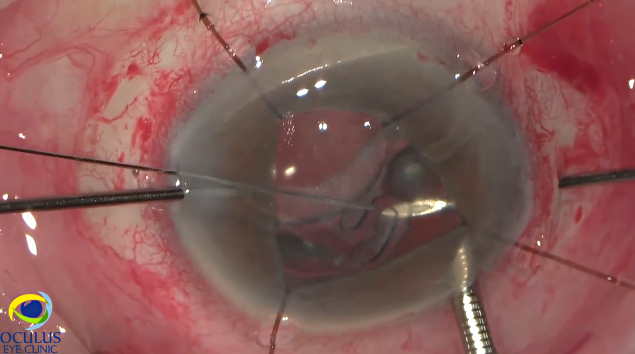
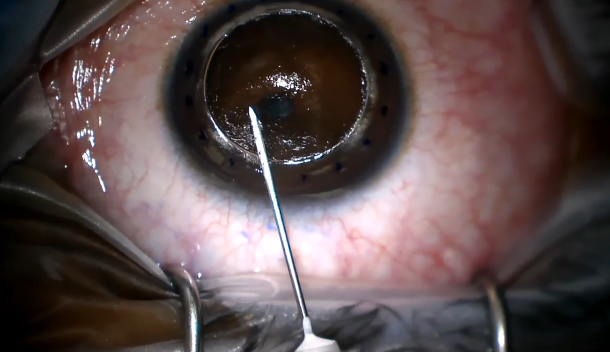
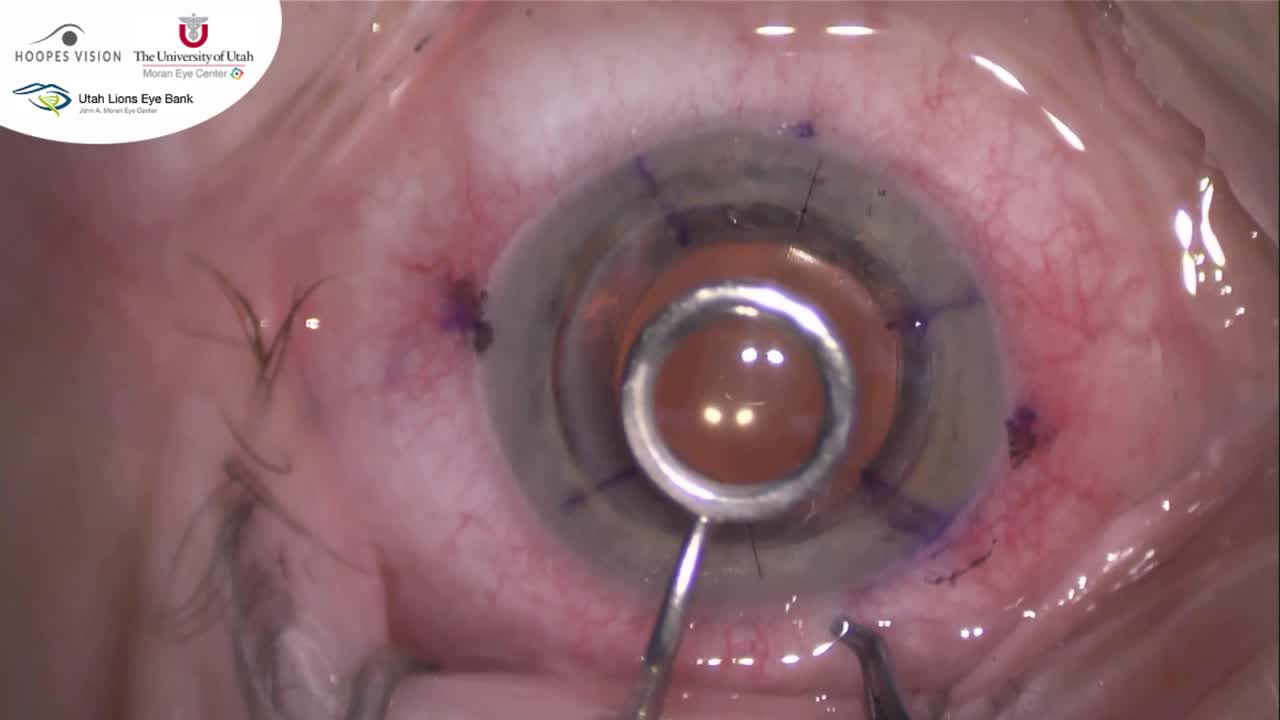
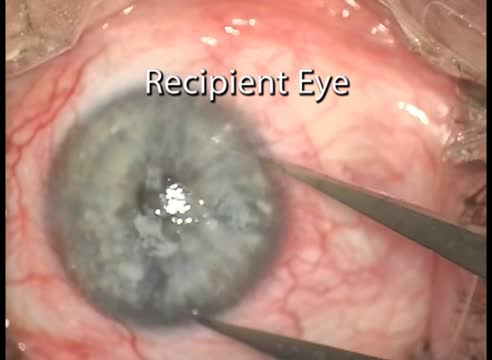
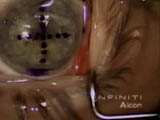
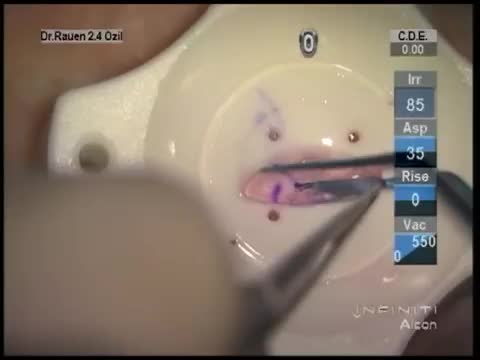
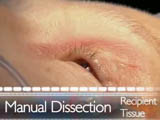
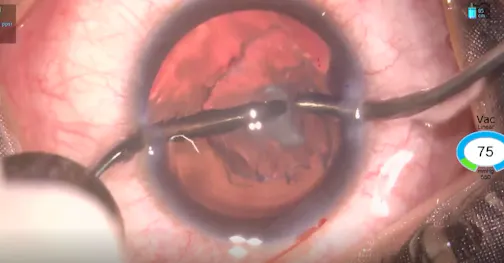
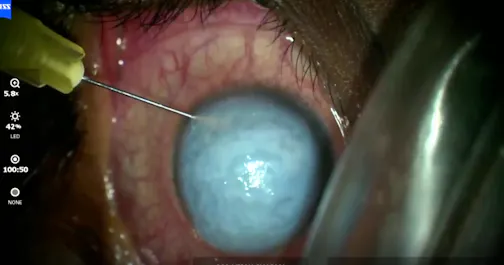
This case describes a pseudophakic patient who presented several years after cataract surgery with extreme postoperative myopia approaching -17.00 diopters, in the setting of severe corneal ectasia. The ectatic corneal changes were felt to be a significant contributor to the progressive refractive error following cataract surgery. A staged visual rehabilitation approach was pursued. Corneal tissue addition keratoplasty (CTAK) was performed first to provide corneal structural support and induce corneal flattening, thereby reducing the effective refractive power of the cornea. Following stabilization and partial refractive improvement, a piggyback implantable collamer lens (ICL) was implanted to further refine the residual refractive error. The patient tolerated both procedures well and demonstrated meaningful improvement in uncorrected visual acuity, with high satisfaction reported postoperatively. This case highlights the role of a sequential corneal and intraocular strategy for managing extreme postoperative myopia in pseudophakic patients with advanced corneal ectasia.
Posted: 1/05/2026
John W. Josephson, MD, and Karanveer Saini
This case describes a pseudophakic patient who presented several years after cataract surgery with extreme postoperative myopia approaching -17.00 diopters, in the setting of severe corneal ectasia. The ectatic corneal changes were felt to be a significant contributor to the progressive refractive error following cataract surgery. A staged visual rehabilitation approach was pursued. Corneal tissue addition keratoplasty (CTAK) was performed first to provide corneal structural support and induce corneal flattening, thereby reducing the effective refractive power of the cornea. Following stabilization and partial refractive improvement, a piggyback implantable collamer lens (ICL) was implanted to further refine the residual refractive error. The patient tolerated both procedures well and demonstrated meaningful improvement in uncorrected visual acuity, with high satisfaction reported postoperatively. This case highlights the role of a sequential corneal and intraocular strategy for managing extreme postoperative myopia in pseudophakic patients with advanced corneal ectasia.
Posted: 1/05/2026





Please log in to leave a comment.