


Search
Search
Veronica Volante, MD, GM Cavallini, MD, Matteo Forlini, MD, Tommaso Verdina, MD
Show Description +
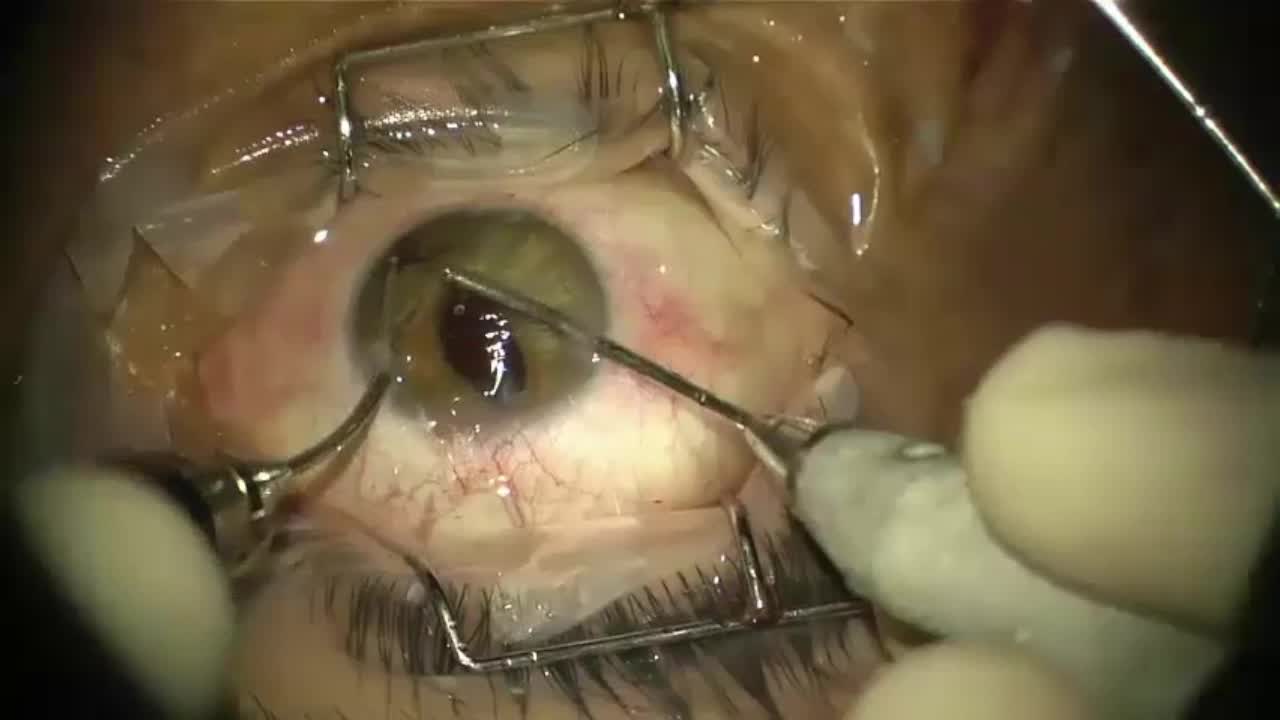
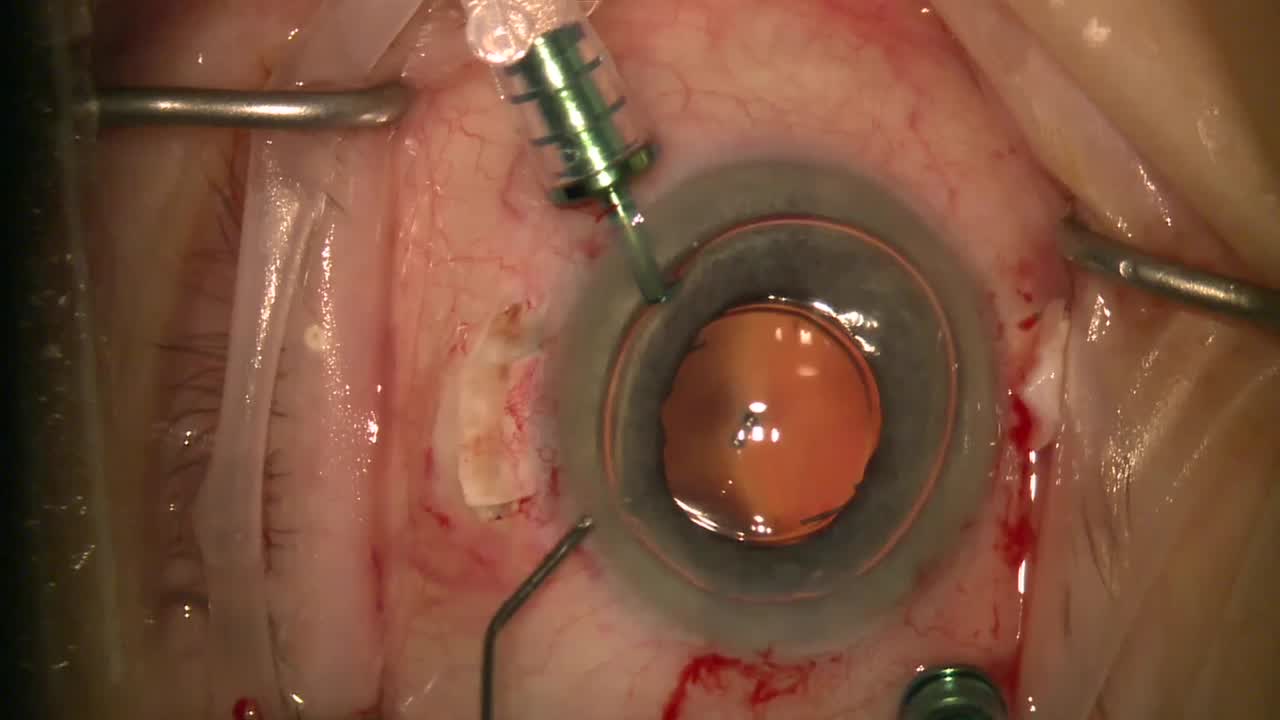
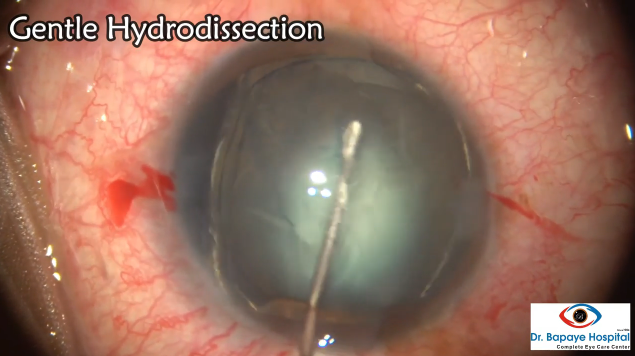
Gian Maria Cavallini, MD; Matteo Forlini, MD; Tommaso Verdina, MD; and Veronica Volante, MD; present this video showing different cases of cataract surgery performed by three surgeons in training using B-MICS technique (Bimanual Microincision Cataract Surgery) for the first time, under the supervision of expert surgeons.
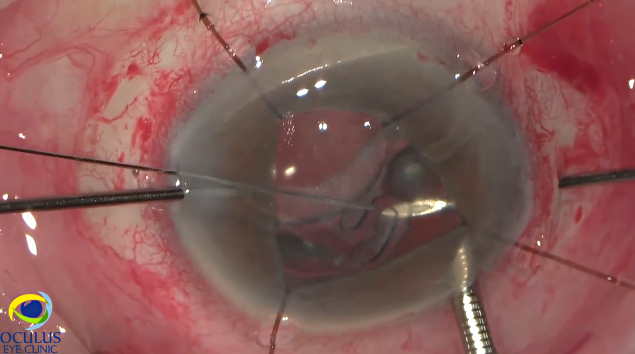
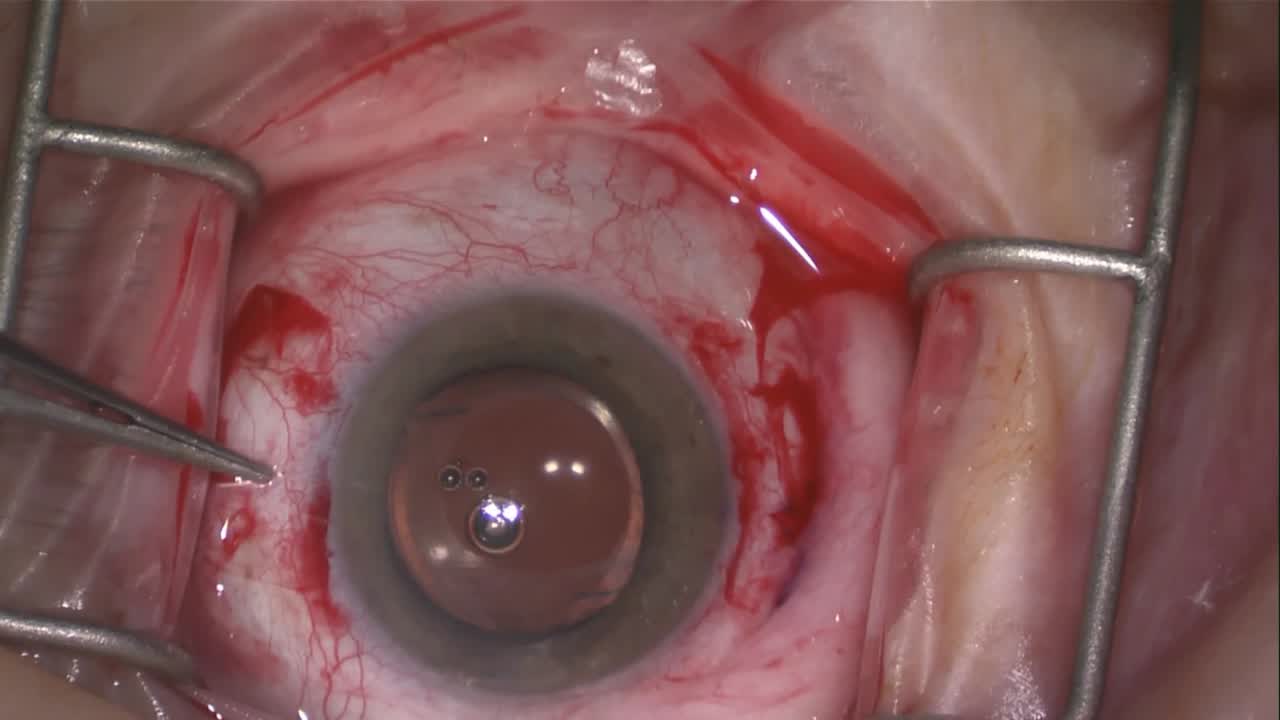
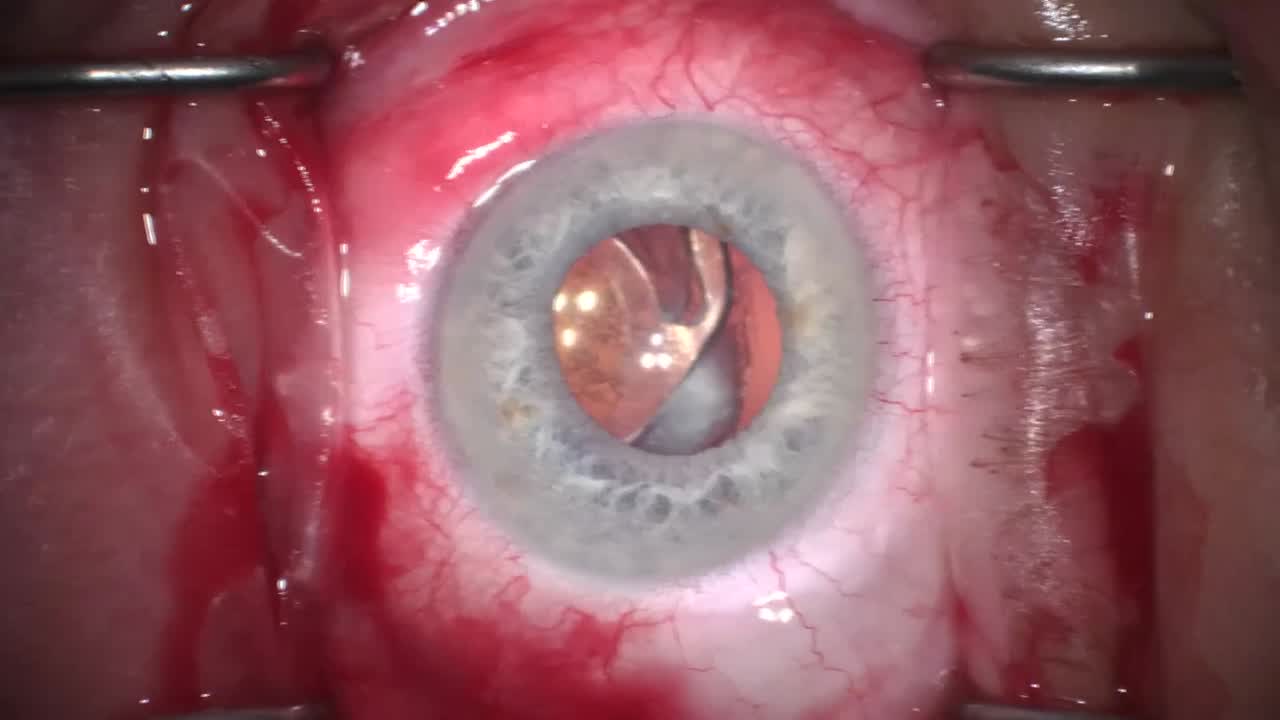
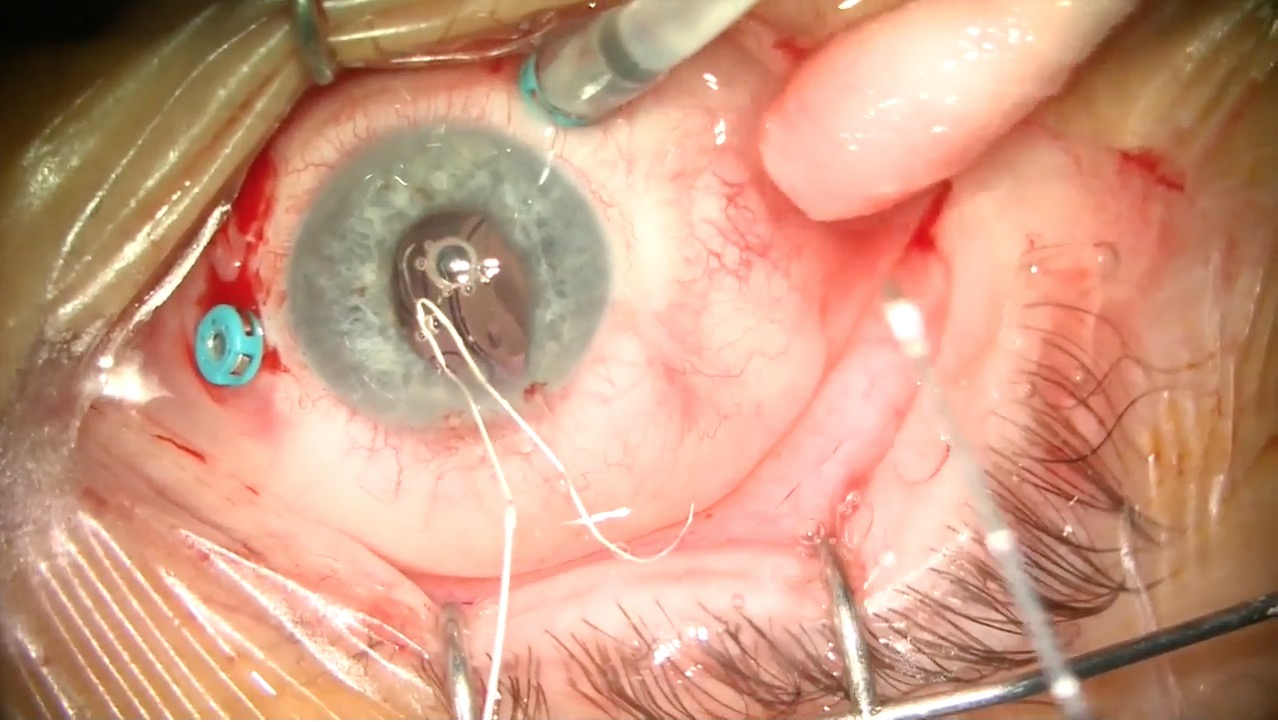
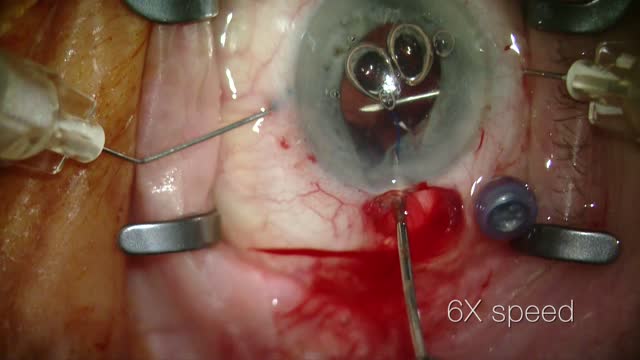
We analyze the main surgical steps of B-MICS showing the main intraoperative complications occurred during the first 50 B-MICS cases performed by each of the three surgeons in training (150 cases total). All the main intraoperative complications are presented in order to underline the B-MICS advantages in their surgical management. Out of 150 cataract surgeries we had 18 intraoperative complications (12%) including ten iris traumas (6.6%), four capsule ruptures without vitreous loss (2.7%); three posterior capsule ruptures with vitreous loss (2%) and one IOL implantation in the sulcus due to marked zonular laxity (0.7%). Five post-operative complications (3,3%): two iris prolapses (1.3%); one IOL loop malposition (0.7%); one post-operative hypotalamia (0.7%) and one capsulorhexis phimosis (0.7%).
B-MICS is a safe and effective technique even when performed by surgeons in training; moreover, this technique presents several advantages for the surgical management of intra-operative complications.
(Institute of Ophthalmology, University of Modena & Reggio Emilia, Modena, Italy.
Chief: Prof. Gian Maria Cavallini)
Posted: 12/22/2014
Veronica Volante, MD, GM Cavallini, MD, Matteo Forlini, MD, Tommaso Verdina, MD
Gian Maria Cavallini, MD; Matteo Forlini, MD; Tommaso Verdina, MD; and Veronica Volante, MD; present this video showing different cases of cataract surgery performed by three surgeons in training using B-MICS technique (Bimanual Microincision Cataract Surgery) for the first time, under the supervision of expert surgeons.
We analyze the main surgical steps of B-MICS showing the main intraoperative complications occurred during the first 50 B-MICS cases performed by each of the three surgeons in training (150 cases total). All the main intraoperative complications are presented in order to underline the B-MICS advantages in their surgical management. Out of 150 cataract surgeries we had 18 intraoperative complications (12%) including ten iris traumas (6.6%), four capsule ruptures without vitreous loss (2.7%); three posterior capsule ruptures with vitreous loss (2%) and one IOL implantation in the sulcus due to marked zonular laxity (0.7%). Five post-operative complications (3,3%): two iris prolapses (1.3%); one IOL loop malposition (0.7%); one post-operative hypotalamia (0.7%) and one capsulorhexis phimosis (0.7%).
B-MICS is a safe and effective technique even when performed by surgeons in training; moreover, this technique presents several advantages for the surgical management of intra-operative complications.
(Institute of Ophthalmology, University of Modena & Reggio Emilia, Modena, Italy.
Chief: Prof. Gian Maria Cavallini)
Posted: 12/22/2014
Sponsored Content
Sponsored Content
Sponsored Content



Please log in to leave a comment.
Comments
Just Now
ari weitzner
11 years ago
when capsule is so elastic, need to re-grasp more often. thats why you got capsulorhexis fugax. i dont think the advantages of micro outweigh the disadvantages, which is why it has not become more popular.
ari weitzner
11 years ago
you placed a one-piece in the sulcus, which is considered by experts to be a mistake, as it causes UGH syndrome. only 3-piece goes in the sulcus. doing phaco in the bag where rhexis is compromised can be very risky, leading to extension of the rhexis to posterior capsule- many experts prolapse the lens into the AC and do phaco there. also, when placing one-piece in bag with compromised rhexis, be sure haptics are far away from the compromised part.