


Search
Search
Show Description +
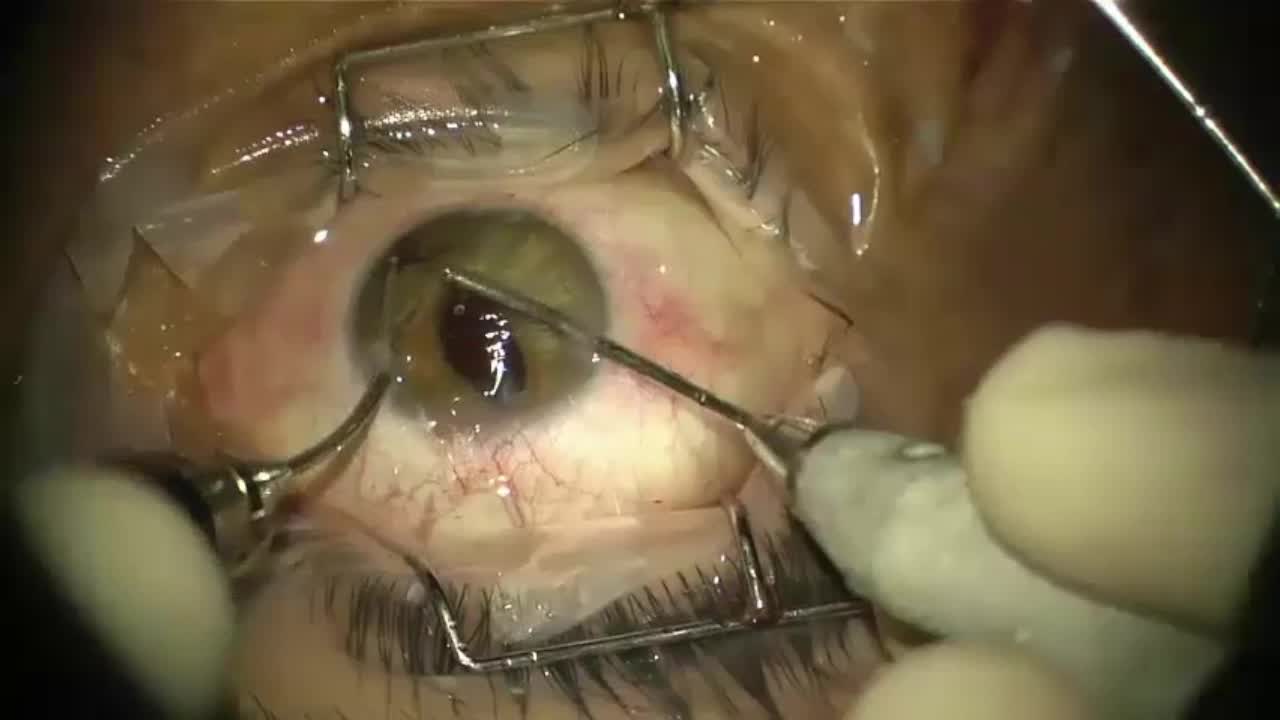
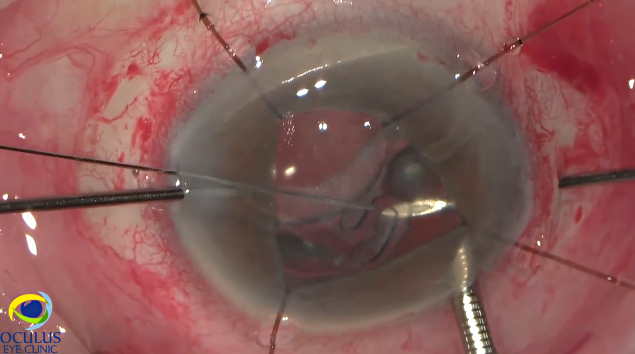
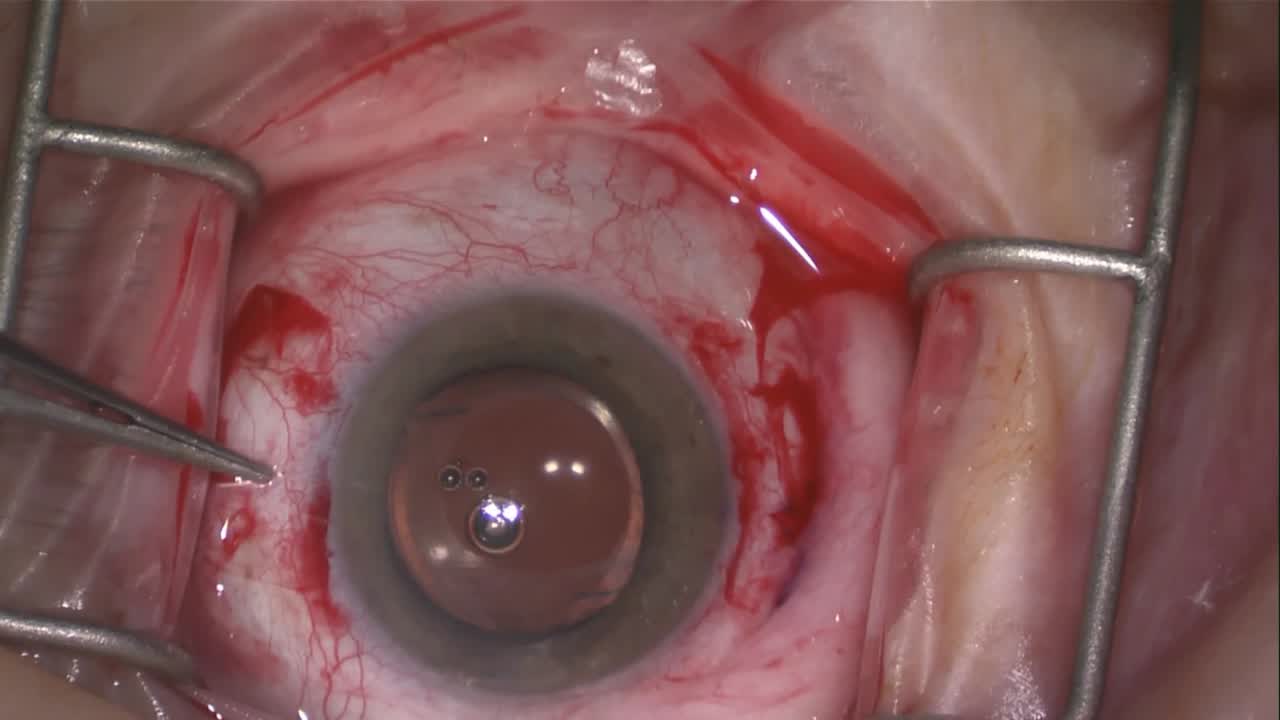
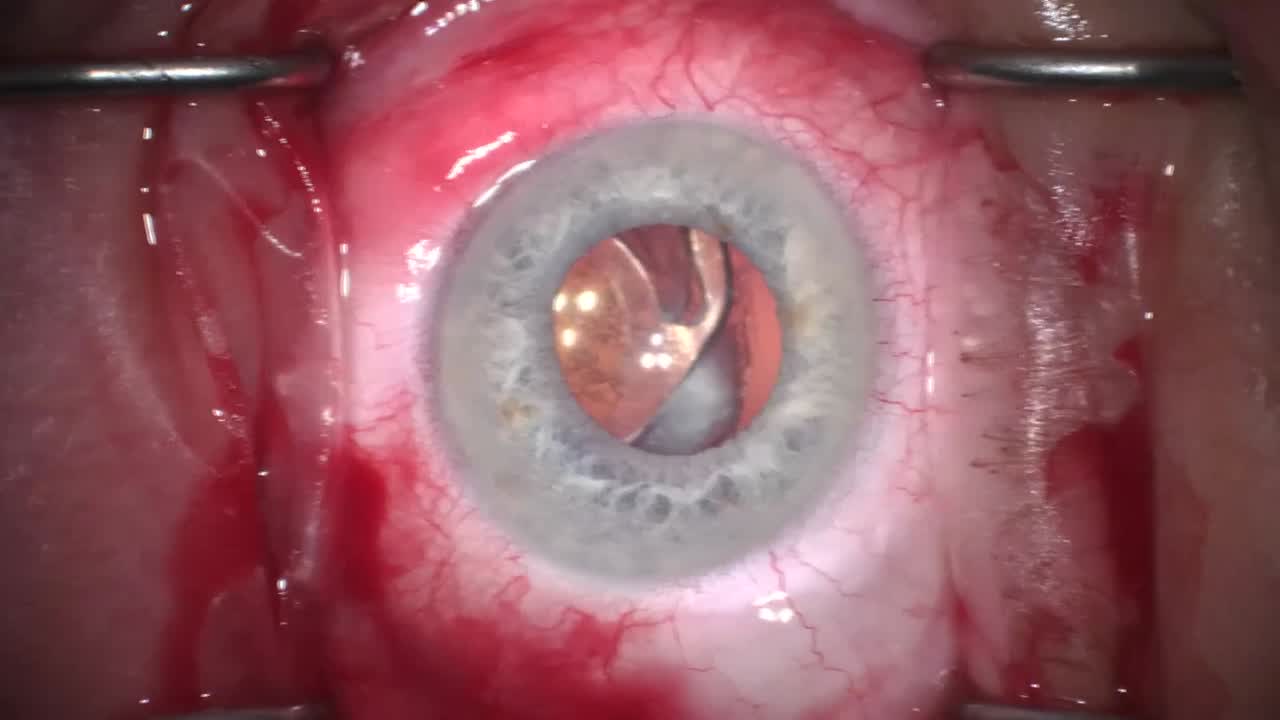
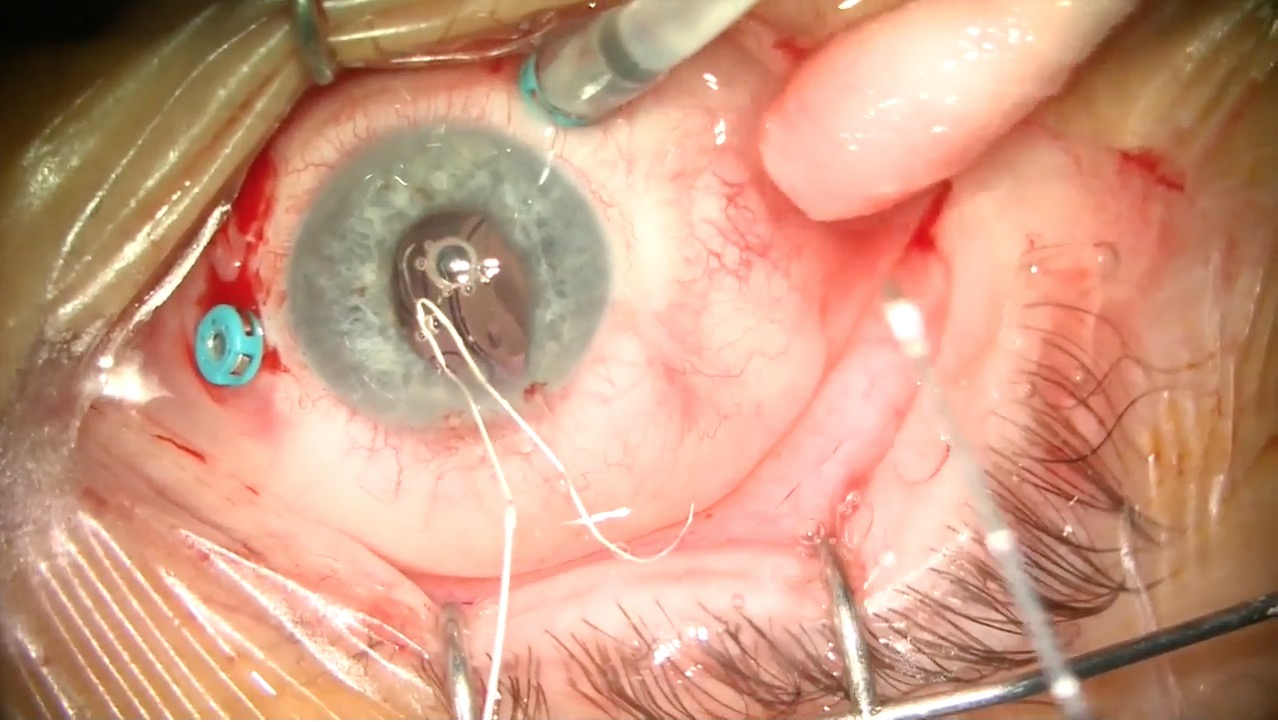
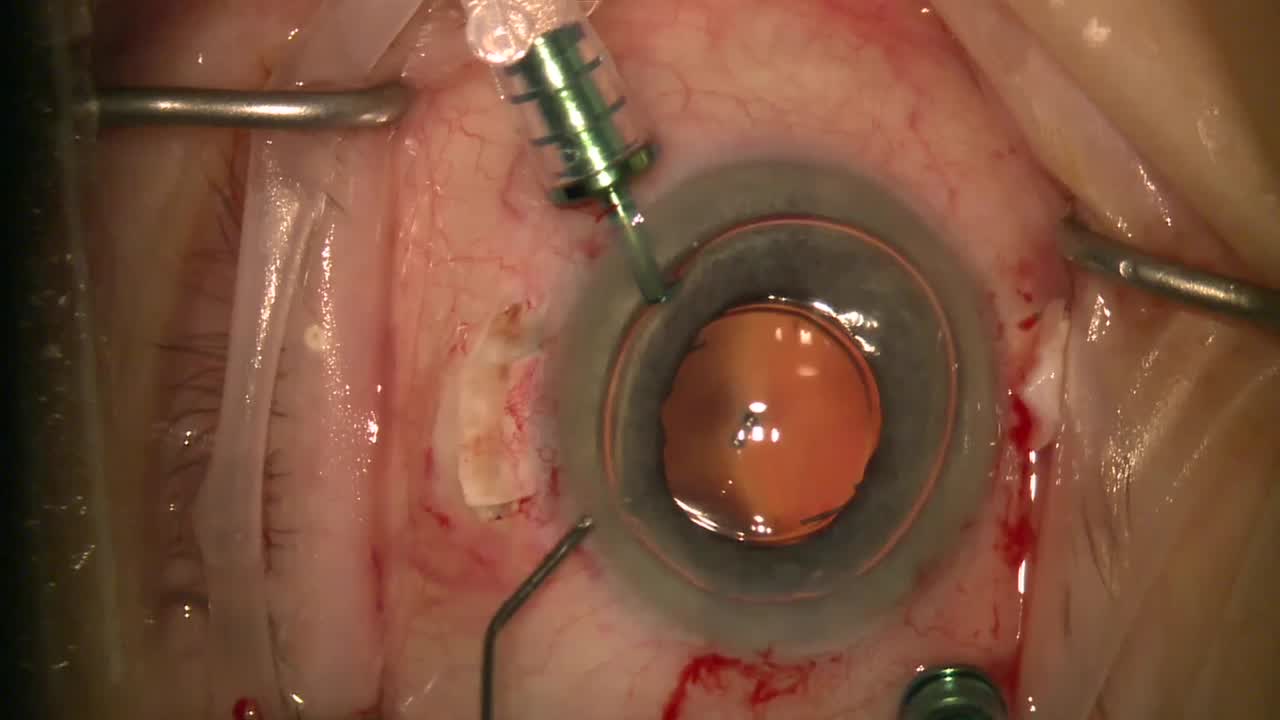
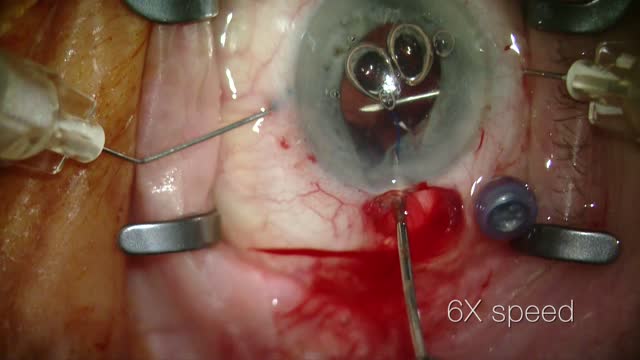
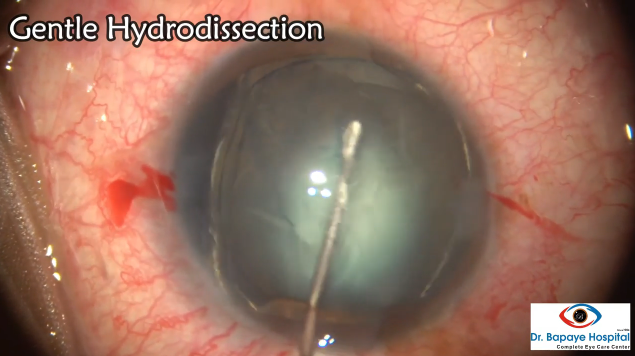
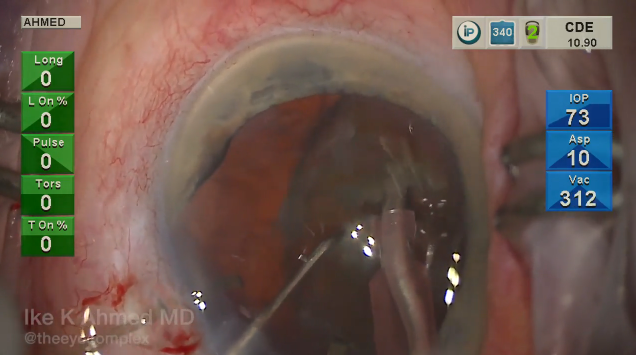
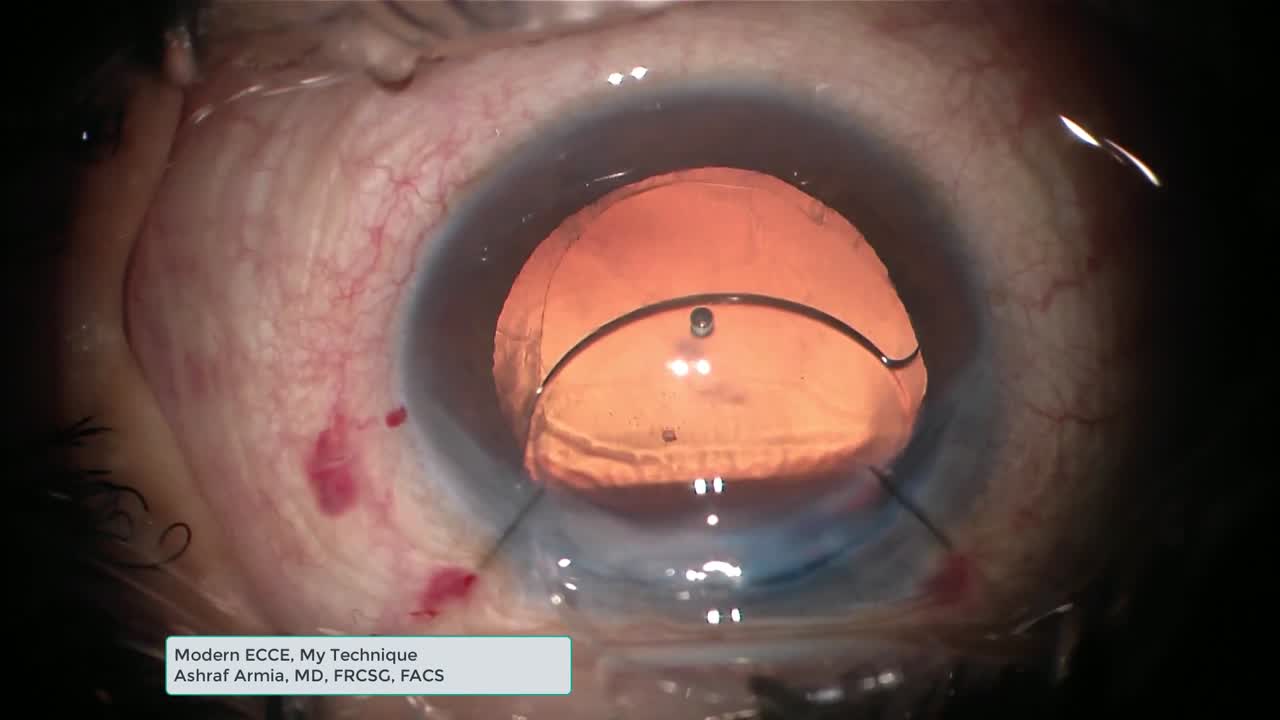
Soosan Jacob, MS, FRCS, DNB, demonstrates her technique endoilluminator-assisted pre-Descemet endothelial keratoplasty (E-PDEK) with phacoemulsification in a patient with a failed penetrating keratoplasty graft with early cataractous changes. Described by Amar Agarwal, FRCS, PDEK involves the transplantation of Descemet membrane, the endothelium, and Dua's layer. E-PDEK does not require advanced equipment and results in early visual reha- bilitation without interface changes. These grafts can be harvested in donor eyes of all age groups, and the graft is resilient and resistant to accidental tears. E-PDEK allows easier and faster surgery and decreases the number of intracameral steps required, resulting in less endothe- lial cell loss and better surgical results.
Posted: 9/11/2014
Soosan Jacob, MS, FRCS, DNB, demonstrates her technique endoilluminator-assisted pre-Descemet endothelial keratoplasty (E-PDEK) with phacoemulsification in a patient with a failed penetrating keratoplasty graft with early cataractous changes. Described by Amar Agarwal, FRCS, PDEK involves the transplantation of Descemet membrane, the endothelium, and Dua's layer. E-PDEK does not require advanced equipment and results in early visual reha- bilitation without interface changes. These grafts can be harvested in donor eyes of all age groups, and the graft is resilient and resistant to accidental tears. E-PDEK allows easier and faster surgery and decreases the number of intracameral steps required, resulting in less endothe- lial cell loss and better surgical results.
Posted: 9/11/2014
Sponsored Content
Sponsored Content
Sponsored Content





Please log in to leave a comment.