


Search
Search

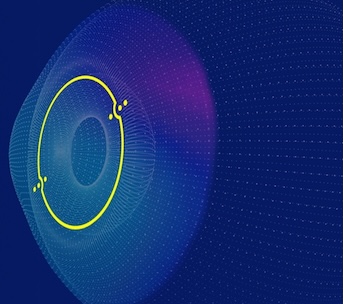
The LenSx® Laser now featuring OnAxis Technology is a femtosecond laser system for cataract surgery that provides a bladeless, precise, and personalized approach designed to enhance surgical accuracy.¹ It combines proven precision and efficiency² with advanced astigmatism management features, including capsular toric marking and advanced fragmentation patterns, delivering a comprehensive astigmatism management solution.³
Sponsored Content
Sponsored Content
Sponsored Content
About Alcon
The LenSx® Laser with OnAxis Technology is a femtosecond laser system used in cataract surgery. The platform includes features designed to support key steps of the cataract procedure, including tools for astigmatism management such as capsular toric marking and LaserArcs arcuate nomogram planning.
Visit us online: myalcon.com/professional/cataract-surgery/surgical-equipment/lensx-laser-system
Follow Alcon

© 2026 Alcon Inc. 8/26 US-LSX-2600031
1. Slade S, Ignacio T, Spector S. Evaluation of a multifunctional femtosecond laser for the creation of laser in situ keratomileusis flaps. J Cataract Refract Surg. 2018;44:280-286.
2. Roberts TV et al. Update and clinical utility of the LenSx femtosecond laser in cataract surgery. Clin Ophthalmol. 2016;10:2021-2029.
3. Alcon Data on File, 2024. REF-25676.
LenSx® Laser Important Product Information
CAUTION
Federal Law restricts this device to sale and use by or on the order of a physician or licensed eye care practitioner.
INDICATIONS FOR THE LENSX™ LASER (FOR ADULT PATIENTS):
In the creation of corneal cuts/incisions (single-plane, multiplane and arcuate) anterior capsulotomy and laser phacofragmentation during cataract surgery. Each of these procedures may be performed either individually or consecutively during the same surgery. In the creation of corneal cuts/incisions (single-plane, multi-plane, and arcuate) during Implantable Collamer Lens (ICL) surgery. In the creation of a corneal flap for patients undergoing LASIK surgery or other treatment requiring initial lamellar resection of the cornea. In the creation of corneal pockets for placement/insertion of a corneal inlay device; and for creation of corneal tunnels for the placement of corneal rings.
CONTRAINDICATIONS:
Conditions that would interfere with transmission of laser light at 1030 nm wavelength including presence of material or opacities anterior to or at laser plane. Examples include, but are not limited to: Corneal opacity, Corneal lesions, Corneal edema, Existing corneal implants, Blood or other material in the anterior chamber. Conditions that preclude safe applanation of the cornea, which include, but are not limited to: descemetocele with impending corneal rupture, existing corneal implants, hypotony, and glaucoma (glaucoma is not contraindicated with use of SoftFit® Patient Interface).
WARNINGS: The LenSx™ Laser System should only be operated by a physician trained in its use. The LenSx™ Laser delivery system employs one sterile disposable Patient Interface consisting of an applanation lens and suction ring. Use of disposables other than those manufactured by Alcon may affect system performance and create potential hazards.
COMPLICATIONS: As with any surgical procedure, risk is involved. The following potential complications pose risks resulting from anterior capsulotomy, phacofragmentation, or creation of a partial thickness or full-thickness cut or incision as well as corneal procedures such as the creation of flap, tunnel or pocket: corneal edema, corneal decompensation, and subsequent severe loss of visual acuity, capsular tissue damage, corneal abrasion and epithelial defect, pain, electrical shock to non-patient and electrical shock to patient, bleeding, damage to ocular and non-ocular structures such as: iris damage due to trauma, physical injury to the patient and/or operator, corneal endothelial cell loss, and tissue damage not otherwise specified which includes complications during the procedure leading to incomplete or decentered flap and/or injury at the incision site posing a risk for wound leakage and subsequent inflammation and/or infection that could result in corneal opacity, Elevated IOP that may require additional intervention.
ATTENTION:
Refer to the LenSx™ Laser Operator's Manual for a complete listing of indications, warnings and precautions.