


Search
Search
Show Description +
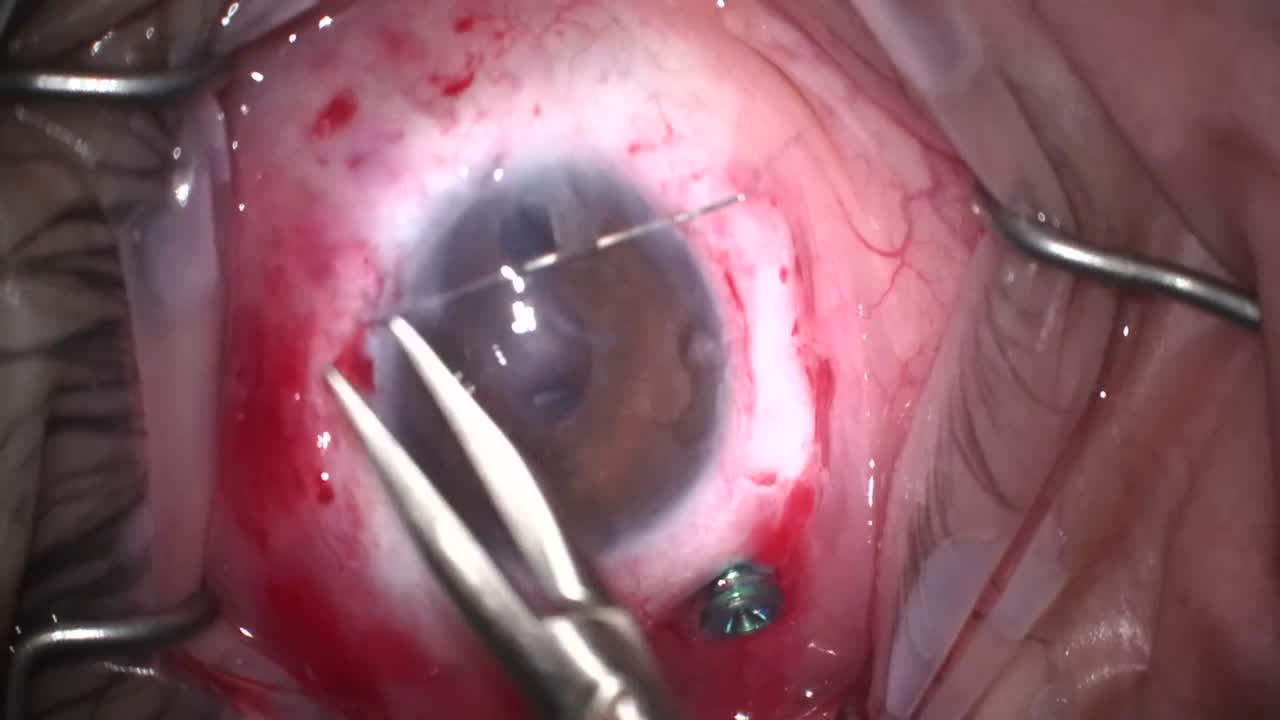
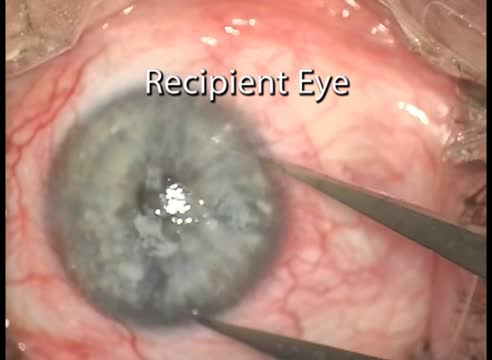
Intrastromal corneal ring segments (ICRSs) offer several advantages over other refractive techniques to treat myopia and keratoconus. There is, however, a small but definite risk that infection may occur in the early or late postoperative period. Vishal Jhanji, MD; and Rasik B. Vajpayee, MS, FRCS(Edin), FRANZCO, present a case of late occurring microbial keratitis from resistant Staphylococcus epidermidis following ICRS implantation. The case is successfully managed with the double-bubble deep anterior lamellar keratoplasty technique.
Posted: 1/17/2011
Intrastromal corneal ring segments (ICRSs) offer several advantages over other refractive techniques to treat myopia and keratoconus. There is, however, a small but definite risk that infection may occur in the early or late postoperative period. Vishal Jhanji, MD; and Rasik B. Vajpayee, MS, FRCS(Edin), FRANZCO, present a case of late occurring microbial keratitis from resistant Staphylococcus epidermidis following ICRS implantation. The case is successfully managed with the double-bubble deep anterior lamellar keratoplasty technique.
Posted: 1/17/2011
Sponsored Content
Sponsored Content
Sponsored Content




%20(1)_1789143321.jpg?auto=compress,format&w=504)
%20(1)_1789143150.jpg?auto=compress,format&w=504)
Please log in to leave a comment.
Comments
Just Now
lucas siufi
14 years ago
excelent